
Meta Title: Home Repair Solutions for a Safe and Comfortable Home
Meta Description: Discover practical home repair solutions for plumbing, electrical, roofing, walls, doors, flooring, and common household maintenance problems.
Introduction
Home Repair Solutihttps://homegardene.com/category/home-improvement/ons help homeowners fix common household problems, prevent expensive damage, and keep their living spaces safe and comfortable. Every home experiences wear and tear over time. Leaking taps, cracked walls, loose door handles, damaged flooring, and electrical issues may appear minor at first, but they can become serious if ignored.
Understanding basic home repairs can save time and money. However, it is equally important to know when a task is safe to handle yourself and when professional help is required. This guide explains practical solutions for common home repair problems and provides useful maintenance tips for keeping your property in good condition.
Why Regular Home Repairs Are Important
Regular home maintenance protects the structure, appearance, and value of your property. Small problems often become more expensive when they are not repaired quickly.
For example, a small roof leak can damage ceilings, walls, furniture, and electrical wiring. A dripping tap may waste water and increase utility bills. Cracks around windows and doors can allow dust, insects, rainwater, and outside air to enter the home.
Timely repairs can also improve energy efficiency, indoor comfort, and household safety. A well-maintained home is easier to live in and usually attracts better offers if the property is sold in the future.
Common Plumbing Repair Solutions
Plumbing problems are among the most common issues in homes. Some minor problems can be fixed with basic tools, while serious leaks or pipe damage should be handled by a licensed plumber.
Fixing a Dripping Tap
A dripping tap is often caused by a worn washer, damaged cartridge, or loose internal part. Turn off the water supply before opening the tap. Replace the damaged component and carefully tighten the fittings.
Avoid tightening parts too forcefully because this may damage the tap or create another leak.
Clearing a Blocked Drain
Slow sinks and bathroom drains are usually caused by hair, soap, grease, or food particles. Remove visible debris and clean the drain cover. A plunger may help clear a simple blockage.
Avoid repeatedly pouring harsh chemicals into the drain because they may damage pipes. Contact a plumber if several drains are blocked at the same time, as this may indicate a deeper drainage problem.
Repairing Minor Pipe Leaks
Temporary pipe repair tape or a pipe clamp may control a small leak until a plumber arrives. Before applying any temporary solution, switch off the water supply and dry the damaged area.
Temporary repairs should not be treated as permanent solutions. Cracked, rusted, or heavily damaged pipes usually need replacement.
Electrical Home Repair Solutions
Electrical problems require extra care because incorrect repairs may cause shocks, fires, or equipment damage. Homeowners should only perform simple tasks that do not involve exposed wiring.
Replacing Light Bulbs Safely
Switch off the light and allow the old bulb to cool before removing it. Install a replacement bulb with the correct fitting and recommended wattage.
Using a bulb with a higher wattage than the fixture supports may cause overheating.
Checking a Non-Working Power Outlet
A power outlet may stop working because of a tripped circuit breaker, loose connection, or damaged wiring. Check the breaker panel and reset the relevant breaker once.
Do not keep resetting a breaker that repeatedly trips. Frequent tripping may indicate an overloaded circuit, faulty appliance, or wiring issue that requires professional inspection.
When to Contact an Electrician
Contact a qualified electrician if you notice burning smells, sparks, warm outlets, flickering lights, exposed wires, or repeated power failures. Never attempt complex electrical repairs without proper training.
Wall and Ceiling Repair Solutions
Walls and ceilings can develop cracks, stains, holes, and peeling paint. Before repairing the visible damage, identify the cause.
Filling Small Wall Cracks
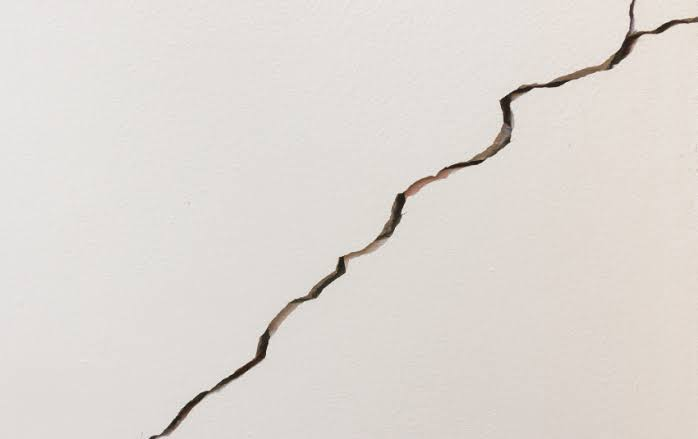
Clean the crack and remove loose material. Apply suitable wall filler using a putty knife. Once the filler is dry, sand the surface until it becomes smooth and repaint the repaired area.
Large cracks, diagonal cracks, or cracks that keep returning may indicate structural movement. These should be inspected by a professional.
Repairing Small Holes
Small nail holes can usually be filled with lightweight filler. Larger holes may require a patch, joint compound, sanding, and repainting.
For a neat finish, use thin layers of filler rather than applying one thick layer.
Treating Water Stains
A ceiling or wall stain may come from a leaking roof, pipe, bathroom, or air-conditioning unit. Repair the source of the moisture before repainting the stain.
Painting over an active leak will only hide the problem temporarily.
Door and Window Repair Solutions
Doors and windows affect security, ventilation, privacy, and energy efficiency. Regularly check their hinges, locks, handles, frames, and seals.
Fixing a Squeaky Door
Apply a small amount of suitable lubricant to the hinges. Open and close the door several times to spread it evenly. Tighten loose hinge screws if necessary.
Repairing a Door That Does Not Close Properly
A door may stick because of loose hinges, moisture, frame movement, or an uneven edge. Start by tightening the hinges. Check whether the door is rubbing against the frame.
Minor rubbing may be corrected with careful sanding. Severe misalignment may require professional adjustment.
Sealing Window Gaps
Gaps around windows allow outside air and moisture to enter. Replace damaged weatherstripping and apply suitable sealant around the frame.
Properly sealed windows can make rooms more comfortable and reduce heating or cooling loss.
Roof and Gutter Maintenance
The roof protects the entire home from rain, heat, wind, and weather damage. Roof problems should be addressed quickly.
Inspect the roof from a safe position and look for missing tiles, damaged flashing, sagging areas, or visible gaps. Avoid climbing onto a roof without proper training and safety equipment.
Gutters should also be cleaned regularly. Leaves, dirt, and debris can block water flow, causing rainwater to overflow near walls and foundations. Damaged or loose gutters should be repaired before the rainy season.
Flooring Repair Solutions
Different flooring materials require different repair methods.
Loose floor tiles may need to be removed and reattached with fresh adhesive. Cracked tiles should usually be replaced. Small scratches on wooden floors may be improved with a suitable repair product, while deeper damage may require sanding and refinishing.
Carpet edges that have become loose should be secured to prevent trips. Water-damaged flooring must be dried quickly, and the source of the moisture should be repaired to prevent mould and further damage.
Basic Tools for Home Repairs
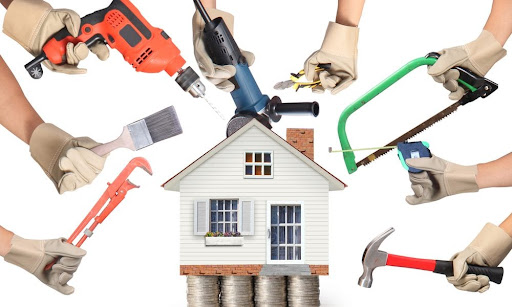
A practical household toolkit should include a hammer, screwdrivers, pliers, adjustable wrench, measuring tape, utility knife, spirit level, drill, flashlight, safety gloves, and protective glasses.
Keep tools in a dry, organised location. Inspect them before use and replace damaged tools. Always use the correct tool for the job rather than creating unsafe alternatives.
DIY Repair or Professional Service?
DIY repairs are suitable for simple tasks such as tightening screws, filling small holes, replacing basic fixtures, sealing minor gaps, or repainting surfaces.
Professional help is recommended for electrical wiring, gas appliances, major plumbing leaks, structural cracks, roofing work, foundation damage, and extensive water damage.
Attempting a complex repair without proper skills may increase the cost and create safety risks. A professional inspection is often more affordable than correcting a badly completed repair.
Preventive Home Maintenance Tips
Inspect your home regularly instead of waiting for something to break. Check plumbing fixtures, roof areas, drains, doors, windows, walls, appliances, and electrical outlets.
Keep bathrooms and kitchens properly ventilated to control moisture. Clean gutters, service heating and cooling systems, replace damaged seals, and repair small cracks as soon as they appear.
It is also helpful to maintain a repair record. Write down the date, problem, solution, materials used, and professional service details. This makes future maintenance easier.
Conclusion
Home Repair Solutions are essential for maintaining a safe, attractive, and comfortable property. Minor repairs such as fixing loose handles, sealing window gaps, clearing drains, and filling wall cracks can often be managed with basic knowledge and the right tools.
However, homeowners should never take unnecessary risks. Electrical faults, structural damage, major leaks, gas issues, and roof repairs should be handled by qualified professionals. By identifying problems early and following a regular maintenance routine, you can reduce repair costs, prevent serious damage, and keep your home in excellent condition for many years.