
Meta Title: Budget-Friendly Renovations for a Stylish Home
Meta Description: Discover practical budget-friendly renovations to improve your home, increase comfort, and create a fresh look without spending too much.
Introduction
Budget-Friendly Rhttps://homegardene.com/category/home-improvement/enovations can completely transform your home without requiring a large construction budget. Many homeowners believe that improving a house means replacing everything, hiring expensive contractors, or purchasing luxury furniture. However, small and carefully planned changes can make a major difference in the appearance, comfort, and functionality of your living space.
The key is to focus on upgrades that offer noticeable results at an affordable cost. Painting walls, updating lighting, improving storage, and reusing existing materials are some simple ways to refresh your home. With proper planning and creative ideas, you can renovate bedrooms, kitchens, bathrooms, and living areas while keeping your expenses under control.
Set a Clear Renovation Budget
Before starting any renovation project, decide how much money you can comfortably spend. A clear budget helps you choose the right materials and prevents unnecessary purchases.
Create a list of all the improvements you want to make. Separate essential repairs from decorative upgrades. Problems such as leaking pipes, damaged wiring, cracked flooring, or broken windows should receive priority because they may become more expensive if ignored.
After identifying your priorities, divide your available budget among different areas. Keep a small emergency amount for unexpected expenses. Renovation projects often include minor costs that are easy to overlook, including delivery charges, tools, adhesives, paintbrushes, and cleaning supplies.
Refresh the Walls With Paint
Painting is one of the easiest and most effective budget-friendly renovations. Fresh paint can make a room appear cleaner, brighter, and more modern without changing its furniture or layout.
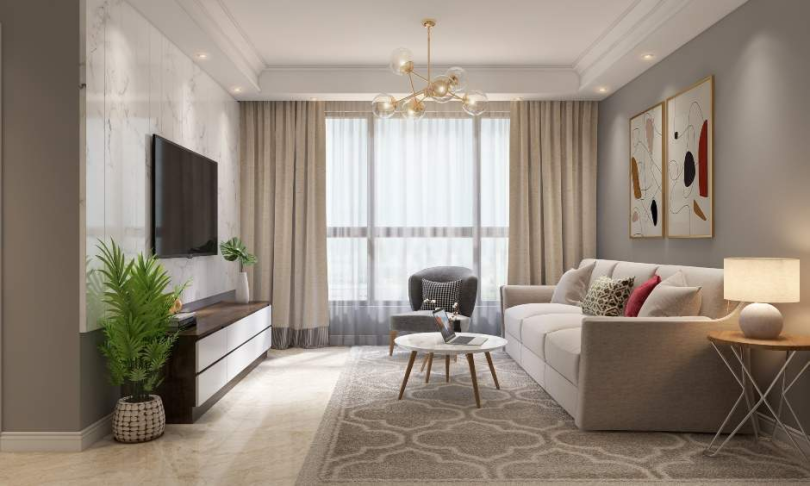
Light colours such as white, cream, soft grey, and beige can make smaller rooms feel more open. You can also create an accent wall using a darker or brighter colour. This adds personality to the room while reducing the amount of paint required.
Homeowners can save money by completing simple painting work themselves. Clean the walls, repair small cracks, apply primer where necessary, and use quality rollers for an even finish. Instead of purchasing several colours, select one neutral shade that can be used across multiple rooms.
Upgrade Your Lighting
Old or poorly positioned lighting can make an attractive home look dull. Replacing outdated fixtures with modern options is an affordable way to improve the overall atmosphere.
LED bulbs are energy-efficient and usually last longer than traditional bulbs. Warm white lights work well in bedrooms and living rooms, while bright white lights are suitable for kitchens, bathrooms, and workspaces.
You can also add floor lamps, table lamps, or under-cabinet lighting instead of changing the entire electrical system. Installing mirrors near windows can reflect natural light and make rooms feel brighter during the daytime.
Improve the Kitchen Without Replacing Everything
A complete kitchen renovation can be expensive, but you do not need to remove every cabinet or appliance. Focus on visible details that influence the room’s appearance.
Paint or polish existing cabinet doors instead of buying new cabinets. Replace old handles and knobs with modern designs. These small accessories are affordable and can instantly improve the kitchen’s style.
You can also install a peel-and-stick backsplash behind the sink or cooking area. It is easier to apply than traditional tiles and is available in many colours and patterns. Organising countertops, adding storage baskets, and replacing worn curtains can also make the kitchen look cleaner and more spacious.
Make Affordable Bathroom Improvements
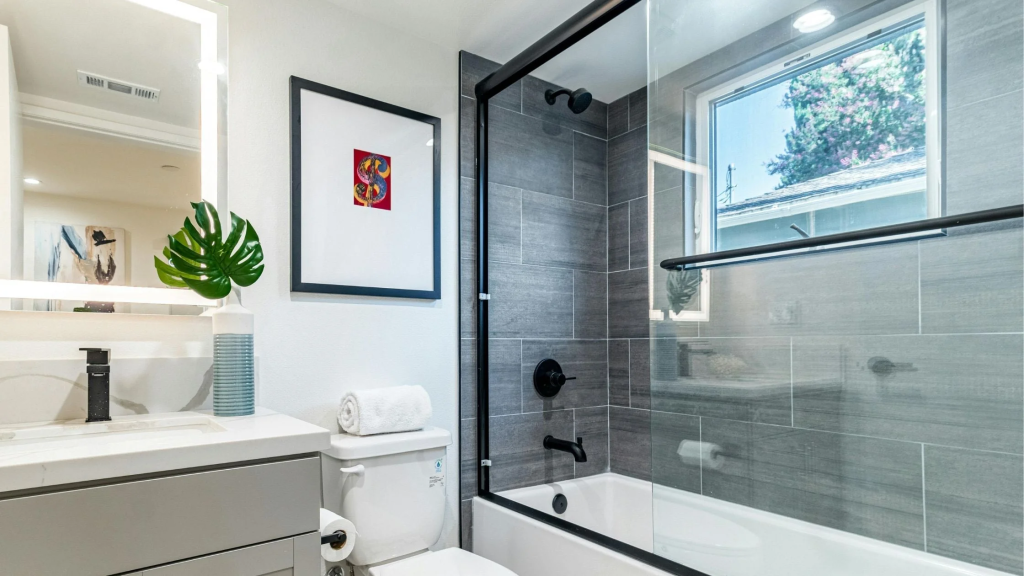
Bathrooms can be upgraded through simple changes that improve cleanliness and comfort. Replace damaged taps, showerheads, mirrors, or towel holders instead of renovating the complete bathroom.
Regrouting tiles can restore their appearance and prevent water from entering damaged areas. Waterproof paint can be used on suitable bathroom walls to create a fresh finish.
Add matching soap dispensers, storage containers, towels, and a new shower curtain to create a coordinated design. A well-organised bathroom often looks more expensive, even when the improvements are simple.
Restore Existing Furniture
Furniture replacement can consume a large portion of a renovation budget. Before purchasing new items, consider whether your existing furniture can be repaired, painted, or reused.
Wooden tables, chairs, and cabinets can be sanded and polished. Old sofas can be improved with washable covers, cushions, and throws. Damaged drawer handles can be replaced with affordable hardware.
You can also move furniture between rooms to create a different layout. A side table from the bedroom may work well in the living room, while an unused shelf can become kitchen or bathroom storage.
Restoring furniture reduces waste and allows you to create a customised look at a lower cost.
Use DIY Decor and Accessories
Decorative accessories can change the character of a room without major construction work. Wall art, indoor plants, cushions, rugs, curtains, and framed photographs are affordable ways to add colour and personality.
Create your own wall art using printed designs, fabric pieces, or simple paintings. Reuse glass jars as storage containers or decorative holders. Old wooden boxes can become shelves, planters, or side tables.
Avoid purchasing too many decorative items at once. Choose a few pieces that match the room’s colour scheme. A clean and balanced design usually looks more attractive than a room filled with unnecessary accessories.
Improve Storage and Organisation
Good storage is an important part of budget-friendly renovations. Clutter can make a newly decorated room feel untidy and smaller than it actually is.
Install floating shelves to use empty wall space. Use storage boxes under beds and add hooks behind doors. Drawer dividers can keep small items organised, while labelled containers make kitchen and bathroom supplies easier to find.
Multi-purpose furniture is another useful option. Beds with built-in drawers, storage benches, and foldable tables provide functionality without occupying additional space.
Update Doors and Windows
Doors and windows are important visual features, but replacing them can be costly. Instead, clean, repair, and repaint the existing frames.
Replace damaged handles, locks, and hinges where required. Applying fresh paint to the front door can improve your home’s exterior appearance. Weather strips can also be installed around doors and windows to reduce dust and prevent air leakage.
Affordable curtains or blinds can give windows a more polished appearance. Choose designs that allow natural light to enter while maintaining privacy.
Enhance the Home’s Exterior
The outside of your house creates the first impression. Fortunately, exterior improvements do not always require major construction.
Clean the entrance, remove weeds, repaint damaged walls, and repair loose paving stones. Place a few potted plants near the front door to make the area more welcoming.
You can also update the house number, mailbox, outdoor light, or entrance mat. These small details create a cleaner and more organised exterior without requiring a large investment.
Compare Prices Before Purchasing Materials
Renovation materials can vary greatly in price. Compare options from local suppliers, online stores, and building material markets before making a purchase.
Look for seasonal discounts, clearance sales, and slightly imperfect products that are still functional. Tiles, paint, lighting fixtures, and furniture are often available at reduced prices when stores introduce new collections.
However, avoid choosing extremely low-quality materials for important repairs. Cheap electrical, plumbing, or structural products may create safety problems and result in higher future expenses.
Complete Simple Tasks Yourself
Labour charges can significantly increase renovation costs. Homeowners can save money by handling safe and manageable tasks themselves.
Painting, cleaning, assembling furniture, installing shelves, changing cabinet handles, and applying decorative wallpaper are suitable DIY projects for many people. Watch reliable tutorials and use the correct tools before starting.
Electrical wiring, gas systems, structural modifications, and complicated plumbing should be handled by qualified professionals. Saving money should never come at the cost of safety.
Focus on One Room at a Time
Trying to renovate the entire house at once can create stress and financial pressure. Start with the room that needs the most attention or provides the greatest daily benefit.
Complete one area before moving to the next. This approach makes it easier to control spending, track progress, and avoid unfinished projects throughout the home.
For example, you may begin with the living room, then improve the kitchen, followed by bedrooms and bathrooms. Gradual renovation allows you to purchase better materials without exceeding your budget.
Conclusion
Budget-friendly renovations are based on careful planning, creative thinking, and smart spending. You do not need luxury materials or complete structural changes to make your home more attractive and comfortable.
Fresh paint, improved lighting, restored furniture, organised storage, and affordable accessories can produce excellent results. Prioritise essential repairs, compare prices, reuse existing items, and complete simple tasks yourself where it is safe to do so.
By focusing on practical improvements and renovating one area at a time, you can create a stylish, functional, and welcoming home without placing unnecessary pressure on your finances.