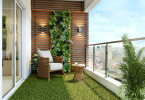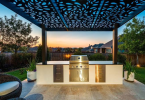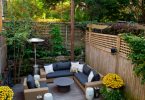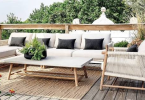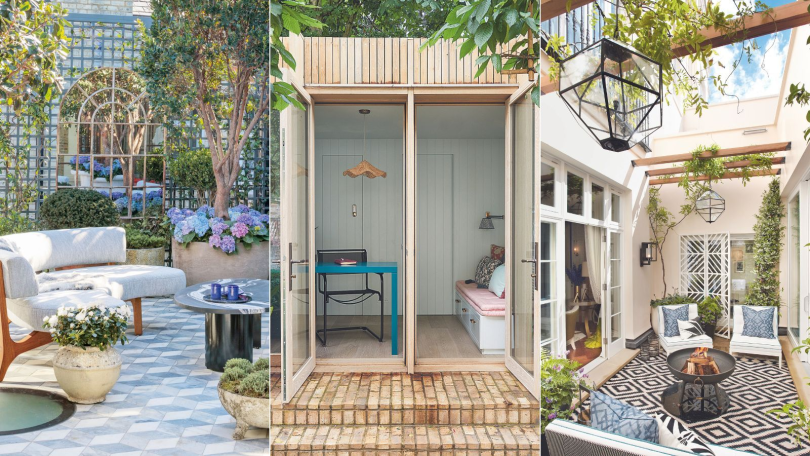

Outdoor livihttps://homegardene.com/category/outdoor-living/ng ideas can help you transform a simple backyard, patio, balcony, or garden into a comfortable extension of your home. A well-designed outdoor area provides a relaxing place where you can enjoy fresh air, spend time with family, entertain guests, or simply take a break from your daily routine.
You do not need a large garden or an expensive renovation to create an attractive outdoor space. With suitable furniture, lighting, plants, shade, and decorative elements, even a small balcony can become a welcoming retreat. The key is to design the area according to your available space, lifestyle, and budget.
Create a Comfortable Outdoor Seating Area
Comfortable seating is one of the most important parts of an outdoor living space. Choose furniture that suits the size and purpose of your area.
For a large backyard, you can use an outdoor sofa set, lounge chairs, and a central coffee table. In a small patio or balcony, folding chairs, compact benches, or stackable stools can save space.
Add weather-resistant cushions and pillows to make the seating area more comfortable. Select fabrics designed for outdoor use because they are more resistant to sunlight, moisture, and dust. Neutral shades create a calm appearance, while colorful cushions can make the area feel lively and attractive.
A built-in bench is another practical option. It provides extra seating without taking up too much room. You can also add storage space underneath the bench for cushions, gardening tools, or outdoor accessories.
Add Shade for Hot and Sunny Days
Shade makes an outdoor area more comfortable, especially during summer. There are several affordable and stylish ways to protect your seating area from direct sunlight.
A large patio umbrella is suitable for small spaces because it can be opened or closed when needed. Pergolas are ideal for larger patios and can create a defined outdoor room. You can cover a pergola with fabric, climbing plants, bamboo panels, or outdoor curtains.
Shade sails are another modern option. They are available in different colors and shapes and can be installed over patios, play areas, or dining spaces.
Trees also provide natural shade. Planting a suitable tree near the seating area can improve the beauty of your garden while creating a cooler environment. However, consider the tree’s mature size and root growth before planting it close to your home.
Design an Outdoor Dining Space
An outdoor dining area allows you to enjoy meals in a fresh and relaxing environment. Start by choosing a table that fits your available space.
A large dining table is useful for family gatherings and parties. For a balcony or small patio, a round café table with two chairs may be enough. Folding tables are also convenient because they can be stored when they are not in use.
Place the dining area near the kitchen or an outdoor cooking station to make serving food easier. Add comfortable chairs, table decorations, and suitable lighting to create a welcoming atmosphere.
Use washable tablecloths, outdoor placemats, and reusable dinnerware for convenience. A small trolley or serving cart can also help you carry food, drinks, and dishes between the kitchen and outdoor dining area.
Use Outdoor Lighting Creatively
Outdoor lighting improves safety and creates a warm atmosphere after sunset. You can combine different types of lighting to make the space functional and attractive.
String lights are popular because they are affordable and easy to install. Hang them around a pergola, fence, balcony railing, or tree branches. Solar-powered lights are useful for pathways, garden borders, and flower beds because they do not require electrical wiring.
Lanterns and LED candles can be placed on tables or steps to create a cozy appearance. Wall-mounted lights are suitable for entrances, patios, and outdoor kitchens.
Avoid using lighting that is too bright. Soft, warm lighting usually creates a more relaxing environment. Make sure electrical lights and extension cables are approved for outdoor use.
Bring Nature into the Space
Plants are essential for creating a fresh and peaceful outdoor living area. Use a combination of flowers, shrubs, herbs, and small trees to add color and texture.
Container gardening is ideal for patios and balconies. You can grow plants in pots, hanging baskets, raised planters, or vertical garden systems. Choose containers in different heights and sizes to create visual interest.
Herbs such as mint, basil, coriander, and rosemary can make the area attractive while providing fresh ingredients for cooking. Flowering plants can attract butterflies and improve the overall appearance of your space.
Select plants according to the amount of sunlight available. Some plants need full sun, while others grow better in partial shade. Using native plants can reduce maintenance because they are generally better adapted to the local climate.
Create an Outdoor Kitchen or Cooking Corner
An outdoor cooking area can make family gatherings more enjoyable. It does not always require a complete kitchen setup.
A simple barbecue grill, preparation table, and storage shelf can create a practical cooking station. Make sure the cooking area is placed on a stable, heat-resistant surface and away from flammable materials.
For a larger space, you can add a countertop, sink, mini refrigerator, cabinets, and covered dining area. Weather-resistant materials such as stainless steel, stone, concrete, and treated wood are suitable for outdoor kitchens.
Keep frequently used cooking tools in sealed containers or weatherproof cabinets. Always maintain proper ventilation and follow fire-safety precautions when using grills or other cooking equipment.
Add Privacy to Your Outdoor Area
Privacy can make an outdoor space feel more comfortable and peaceful. Fences, screens, plants, and curtains can help block unwanted views.
Tall plants such as bamboo, ornamental grasses, or evergreen shrubs can create a natural privacy screen. Wooden lattice panels are also useful and can support climbing plants.
Outdoor curtains can be attached to a pergola or covered patio. They add softness to the design and can be closed when more privacy is needed.
For balconies, reed screens or decorative panels can be attached to railings. Choose materials that allow airflow while providing enough coverage.
Include a Fire Feature
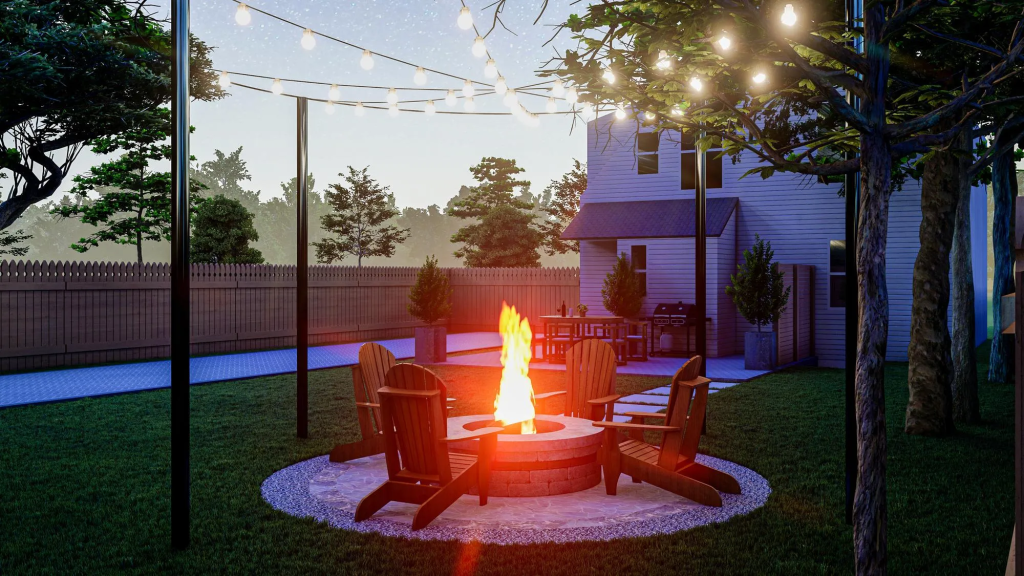
A fire feature can become the focal point of an outdoor living area. It provides warmth and creates a comfortable place for evening conversations.
Fire pits are available in wood-burning, gas, and portable designs. Choose one that fits your available space and local safety requirements. Arrange seating at a safe distance around the fire feature.
For small areas, a tabletop fire bowl may be more suitable. Outdoor fireplaces are a permanent option for large patios and can add value to the property.
Never place a fire feature under low branches, fabric shade covers, or enclosed structures. Keep water, sand, or a suitable fire extinguisher nearby.
Add Outdoor Rugs and Decorative Accessories
Decorative elements can make your outdoor area feel like an indoor room. An outdoor rug can define the seating or dining area while adding color and pattern.
Choose rugs made from moisture-resistant and easy-to-clean materials. Add cushions, throws, lanterns, decorative pots, and wall art designed for outdoor conditions.
You can also use mirrors to make a small patio appear larger. Make sure they are securely installed in a protected location.
Avoid adding too many decorations. A few carefully selected accessories can create a stylish appearance without making the space feel crowded.
Create a Relaxation Corner
A quiet relaxation corner can provide a comfortable place for reading, meditation, or enjoying tea. Place a lounge chair, swing, hammock, or daybed in a shaded part of the garden.
Add a small side table for books, drinks, or a lamp. Surround the area with plants to create a peaceful and private atmosphere.
A small water feature can also make the space more relaxing. The sound of flowing water may help reduce surrounding noise and create a calming environment. Choose a compact fountain or water bowl that is easy to clean and maintain.
Make the Space Suitable for Every Season
A practical outdoor living area should remain useful during different weather conditions. Use waterproof furniture covers to protect chairs and tables from rain and dust.
During colder months, outdoor heaters, warm blankets, and wind screens can improve comfort. In summer, fans, shade, and light-colored fabrics can help keep the area cooler.
Store cushions and delicate accessories in a dry location when they are not being used. Regular cleaning and maintenance will also extend the life of outdoor furniture and decorations.
Conclusion
Outdoor living ideas can help you create a beautiful, comfortable, and functional space without requiring a large budget. Start with essential features such as seating, shade, lighting, and plants. You can then add a dining area, privacy screens, decorative accessories, or an outdoor cooking corner according to your needs.
Whether you have a spacious backyard or a small balcony, thoughtful planning can turn it into an enjoyable extension of your home. Focus on comfort, durability, safety, and easy maintenance to create an outdoor area that your family can enjoy throughout the year.