

Introduction
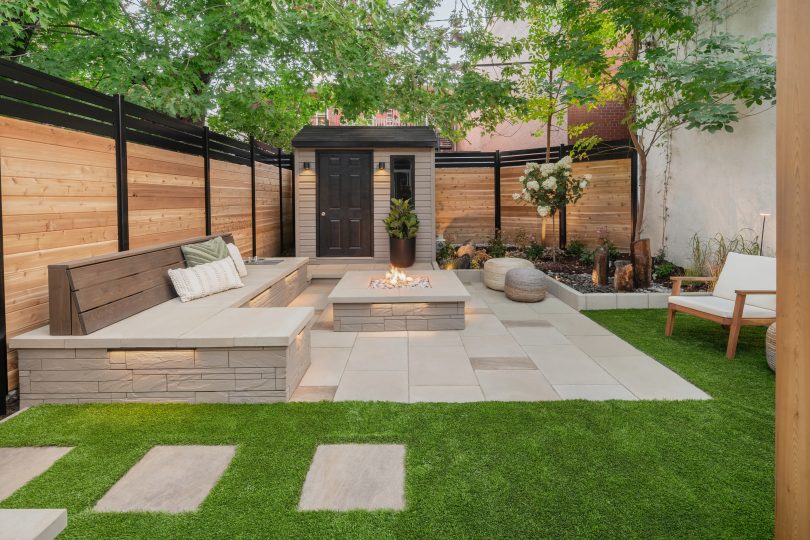
Backyard Designhttps://homegardene.com/category/outdoor-living/ Tips can help you transform an ordinary outdoor area into a comfortable, attractive, and functional part of your home. Whether you have a small backyard, a large garden, or a narrow outdoor space, thoughtful planning can make a major difference.
A well-designed backyard can be used for relaxing, gardening, dining, entertaining guests, or spending quality time with family. You do not always need a large budget or professional designer. By choosing the right layout, plants, furniture, lighting, and decorative features, you can create a backyard that suits your lifestyle.
Start With a Clear Backyard Plan
Before buying furniture or planting flowers, create a simple plan for your backyard. Measure the available area and note important features such as doors, windows, walls, trees, pathways, and drainage points.
Think about how you want to use the space. Some homeowners want a peaceful garden, while others need an outdoor dining area, children’s play zone, or barbecue corner.
Divide the backyard into different sections based on your needs. For example, you may create one area for seating, another for plants, and a separate space for outdoor activities. A clear plan prevents overcrowding and helps you use every part of the backyard effectively.
Create Different Functional Zones
Dividing your backyard into functional zones makes the space more organized. Even a small backyard can include several useful areas when planned properly.
You can create a seating zone using outdoor chairs, a bench, or a small sofa. A dining zone may include a weather-resistant table and chairs. Garden lovers can reserve one corner for flowers, herbs, or vegetables.
Use rugs, planters, pathways, screens, or different flooring materials to separate each zone visually. These features create structure without requiring permanent walls.
Choose Comfortable Outdoor Furniture
Outdoor furniture plays an important role in backyard design. Select furniture according to the size of your space and the number of people who usually use it.
For a small backyard, folding chairs, stackable stools, or a compact dining set can save space. Larger backyards can accommodate sectional sofas, lounge chairs, hammocks, or a full outdoor dining table.
Choose durable materials such as treated wood, metal, wicker, or weather-resistant plastic. Add cushions made from outdoor fabric for extra comfort. Furniture covers can protect your items from rain, dust, and direct sunlight.
Avoid filling the backyard with too much furniture. Leave enough room for people to walk comfortably.
Add Greenery and Suitable Plants
Plants bring colour, texture, and natural beauty to a backyard. Select plants that are suitable for your local climate, available sunlight, and maintenance preferences.
Low-maintenance plants are ideal for busy homeowners. Evergreen shrubs can provide year-round greenery, while flowering plants add seasonal colour. You can also grow herbs such as mint, basil, coriander, and rosemary in containers.
Use plants of different heights to create visual interest. Place taller plants near walls or fences, medium-sized plants in garden beds, and smaller flowers near pathways.
For limited spaces, vertical gardens, hanging baskets, and wall-mounted planters are excellent choices. They allow you to add greenery without using valuable floor space.
Improve Privacy
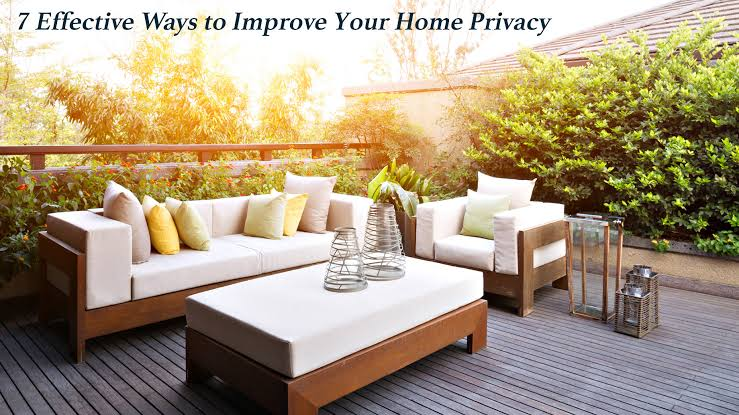
Privacy can make your backyard feel more peaceful and comfortable. Fences, tall plants, outdoor curtains, privacy screens, and climbing vines can help block unwanted views.
Bamboo screens and wooden panels are popular because they provide privacy while adding a decorative feature. Tall shrubs can create a natural boundary, although they may take time to grow.
Pergolas with curtains or climbing plants can provide both shade and privacy. Make sure any privacy feature matches the overall style of your backyard and does not completely block airflow or natural light.
Use Outdoor Lighting
Good lighting allows you to enjoy your backyard after sunset. It also improves safety by illuminating steps, pathways, entrances, and uneven surfaces.
String lights can create a warm and welcoming atmosphere around a seating or dining area. Solar-powered lights are useful for pathways because they are easy to install and do not require electrical wiring.
Wall lights, lanterns, and spotlights can highlight trees, plants, sculptures, or water features. Avoid using lights that are too bright. Soft, layered lighting usually creates a more relaxing environment.
Add a Pathway
A pathway guides visitors through the backyard and connects different zones. It also protects grass and plants from being damaged by regular foot traffic.
Pathways can be created using stone, gravel, bricks, concrete slabs, or wooden stepping boards. Choose a material that matches your home and backyard style.
Curved pathways often create a natural and informal appearance, while straight paths look modern and organized. Add small plants or lights along the edges to improve the overall look.
Include Shade for Comfort
Shade is essential, especially in areas with hot weather. It allows you to use the backyard comfortably during sunny afternoons.
Patio umbrellas are affordable and flexible because they can be moved when needed. Pergolas, gazebos, shade sails, and covered patios provide more permanent protection.
Trees can also create natural shade, but they require time to grow. When planting a tree, consider its mature size, root system, and distance from the house.
Place your seating or dining area in a shaded position whenever possible.
Introduce Decorative Elements
Decorative features help give your backyard a unique personality. Outdoor cushions, rugs, planters, sculptures, wall art, and colourful pots can make the space more attractive.
A small fountain or birdbath can create a peaceful atmosphere. Fire pits are also popular for evening gatherings, but they should be placed in a safe area away from plants, furniture, and buildings.
Choose a few decorative elements that support your design theme. Too many decorations can make the backyard appear cluttered.
Design a Small Backyard Carefully
Small backyards require smart planning. Use multifunctional furniture, such as benches with storage or tables that can be folded when not in use.
Choose light colours because they can make a small outdoor space feel more open. Mirrors placed on a wall or fence may also create the illusion of additional space.
Use vertical surfaces for plants, shelves, and decorations. Keep the centre of the backyard open to improve movement and prevent the area from feeling crowded.
Consider Low-Maintenance Materials
A beautiful backyard should be easy to maintain. Select materials that can handle weather changes and require minimal cleaning.
Composite decking, concrete, gravel, artificial grass, and stone are generally easier to maintain than some natural materials. Native plants can also reduce watering and care requirements because they are adapted to the local environment.
Install proper drainage to prevent standing water and damage during rainy weather. Regular cleaning and seasonal maintenance will help keep your backyard attractive for a longer period.
Add an Outdoor Dining or Cooking Area
An outdoor dining area can make family meals and gatherings more enjoyable. Place a table and chairs near the house so that food and dishes can be carried easily.
A barbecue grill or small outdoor kitchen can improve the space further. Keep cooking equipment on a stable, heat-resistant surface and away from flammable materials.
Add storage for cooking tools, plates, and outdoor accessories. Proper lighting around the cooking area is also important for safety.
Make the Backyard Family-Friendly
When designing a backyard for a family, consider the needs of children, adults, and pets. Create open areas where children can play safely and use soft surfaces around play equipment.
Avoid sharp-edged furniture and poisonous plants. Secure gates and fences if young children or pets use the backyard regularly.
Adults may prefer a quiet seating area where they can supervise children while relaxing. A balanced layout can make the backyard enjoyable for every family member.
Maintain a Consistent Design Style
Your backyard should feel connected to the design of your home. Use similar colours, materials, and architectural details to create a consistent appearance.
For a modern backyard, choose clean lines, simple furniture, neutral colours, and minimal decorations. A rustic backyard may include natural wood, stone, vintage accessories, and informal planting.
You can also create a tropical, Mediterranean, cottage, or minimalist theme. Selecting one main style will help you make better design decisions.
Conclusion
Following practical Backyard Design Tips can help you create an outdoor space that is beautiful, comfortable, and suitable for your daily needs. Start with a clear plan, divide the area into useful zones, and choose durable furniture, suitable plants, proper lighting, and shade.
You do not need to complete the entire backyard at once. Begin with important features such as seating, pathways, and greenery, and gradually add decorative elements. With thoughtful planning and regular care, your backyard can become one of the most enjoyable areas of your home.
