
Introduction
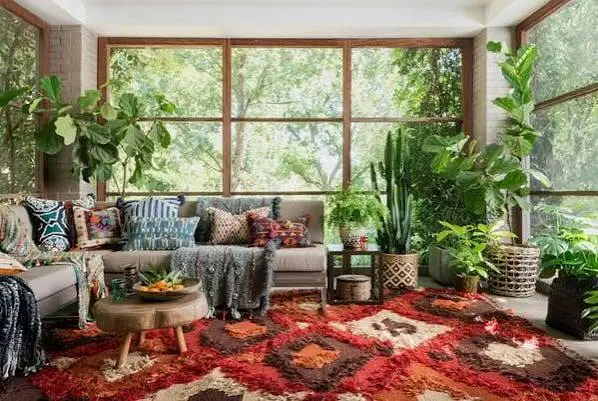
70s home decor is all about warmth, personality, bold patterns, earthy colors, and comfortable spaces. From avocado green and burnt orange to shag rugs, wood paneling, rattan furniture, and geometric prints, 1970s interiors have a distinctive look that can make a home feel relaxed and nostalgic.
For homeowners in the USA, the best way to use this style today is not necessarily to recreate an entire 1970s house. Instead, you can combine recognizable retro elements with modern furniture, practical layouts, and contemporary finishes. This guide explains the key features of 70s home decor, how to use them room by room, what colors and materials work best, and which mistakes to avoid.
What Is 70s Home Decor?
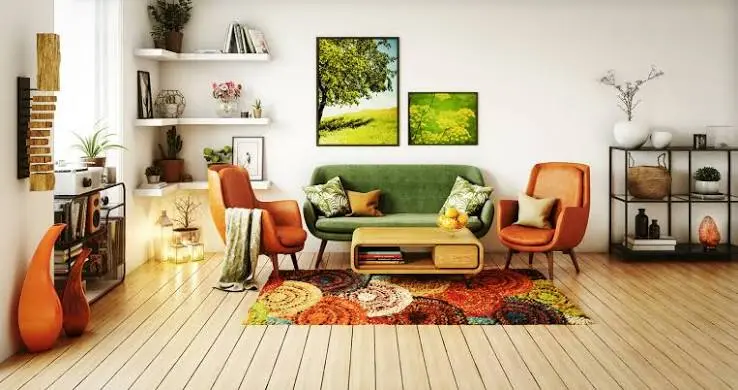
70s home decor is an interior design style inspired by the colors, furniture, materials, patterns, and lifestyle of the 1970s. It typically combines earthy colors, natural materials, organic shapes, bold prints, and relaxed furnishings.
Unlike highly polished modern interiors, 1970s-inspired rooms often feel informal and lived-in. Comfort and individuality are important parts of the aesthetic.
Common characteristics include:
- Warm earth tones
- Wood furniture and paneling
- Rattan and wicker
- Shag or textured rugs
- Velvet and corduroy upholstery
- Geometric and floral patterns
- Curved furniture
- Houseplants
- Ceramic and handcrafted accessories
- Low-profile seating
- Warm, atmospheric lighting
The style can range from subtle vintage influence to a bold retro room filled with period-inspired colors and patterns.
Why Is 70s Home Decor Popular Again?
The appeal of 70s interiors comes partly from their warmth and personality. Many contemporary homes emphasize neutral colors and minimalist furniture, while 1970s-inspired design offers a more expressive alternative.
A retro-inspired room can feel:
- Cozy rather than sterile
- Personal rather than overly coordinated
- Colorful without looking childish
- Relaxed and comfortable
- Connected to natural materials
The key is balance. Using every recognizable 1970s element at once can make a room look dated rather than intentionally retro.
Key Colors for 70s Home Decor
Color is one of the easiest ways to establish a 1970s-inspired atmosphere.
1. Burnt Orange
Burnt orange is one of the strongest colors associated with retro interiors. It works particularly well on accent chairs, cushions, curtains, artwork, and rugs.
For a contemporary home, pair it with cream, warm beige, walnut, or dark brown.
2. Avocado Green
Avocado and olive greens bring a natural, earthy quality to the room. You do not need to cover an entire wall in green.
Try using the shade through:
- Accent pillows
- Upholstered furniture
- Ceramic pieces
- Artwork
- Plants and planters
3. Mustard Yellow
Mustard provides warmth without the intensity of bright yellow. A mustard chair or patterned rug can become an effective focal point.
4. Brown and Wood Tones
Brown was an important part of many 1970s interiors. Today, rich wood tones can provide the same retro feeling while still looking sophisticated.
Walnut, teak-inspired finishes, oak, and darker wood furniture can work particularly well.
5. Cream and Beige
Cream helps prevent strong retro colors from overwhelming a room. Use neutral walls, upholstery, or curtains as a visual break between darker and brighter elements.
Essential Materials and Textures
The right materials can make 70s home decor feel authentic without requiring expensive vintage pieces.
Wood
Wood is fundamental to the look. Consider:
- Wooden coffee tables
- Walnut-style cabinets
- Wood shelving
- Panel-inspired accent walls
- Wooden dining furniture
If you are adding wood paneling, use it selectively. A single feature wall can create impact without making the entire room feel enclosed.
Rattan and Wicker
Rattan and wicker furniture bring a natural, relaxed character to a retro room. They are especially effective for accent chairs, baskets, side tables, and decorative pieces.
Velvet
Velvet adds softness and visual richness. A velvet sofa or occasional chair can create a dramatic retro focal point.
For everyday use, consider the maintenance requirements before choosing upholstery, especially in homes with children or pets.
Shag and Textured Rugs
A shag rug can immediately introduce a 1970s influence. If a high-pile rug is difficult to maintain, choose a lower-pile rug with a retro geometric pattern instead.
Ceramic and Handmade Accessories
Earthy ceramics, sculptural vases, pottery, and handmade-looking objects complement the organic character of the style.
How to Use 70s Home Decor in the Living Room
The living room is often the easiest place to introduce a retro aesthetic.
Start with one major statement piece, such as a curved sofa, vintage-inspired armchair, patterned rug, or wooden coffee table.
Then layer smaller elements around it.
Create a Warm Seating Area
Choose comfortable furniture with rounded or relaxed shapes. Avoid making every piece match perfectly.
For example, combine:
- A brown or cream sofa
- A curved accent chair
- A wooden coffee table
- A patterned rug
- Warm table lamps
- Several plants
This creates a retro atmosphere without making the room look like a museum display.
Add Retro Patterns Carefully
Geometric shapes, large florals, stripes, and abstract patterns can all work.
If your rug has a strong pattern, keep other major surfaces relatively simple. This prevents visual competition.
70s Home Decor for the Bedroom
Bedrooms benefit from the softer side of retro design.
Use warm bedding colors such as:
- Terracotta
- Mustard
- Olive
- Chocolate brown
- Cream
- Rust
A wooden bed frame, woven lighting fixture, patterned blanket, and vintage-style bedside table can establish the theme without requiring a complete renovation.
Use Layered Lighting
Lighting is especially important in a 1970s-inspired bedroom. Instead of relying only on one ceiling fixture, combine ambient and accent lighting.
Try:
- A warm ceiling light
- Bedside lamps
- A floor lamp
- Decorative lighting near artwork or shelving
The result should feel comfortable and inviting rather than harsh and overly bright.
Bringing 70s Style Into the Kitchen
A complete retro kitchen renovation can be expensive, so start with removable or easily replaceable details.
Consider:
- Warm-toned kitchen accessories
- Wooden cutting boards
- Retro-inspired ceramic dishes
- Patterned curtains
- Earth-tone textiles
- Vintage-style pendant lighting
- Open wooden shelving
If you are remodeling, cabinets in olive, cream, warm brown, or muted yellow can create a stronger retro effect.
However, prioritize modern functionality for appliances, storage, ventilation, and work surfaces.
70s Home Decor in the Dining Room
A dining room can capture the period beautifully through furniture and lighting.
A wooden dining table paired with comfortable upholstered or molded chairs can provide a strong foundation.
Above the table, consider a sculptural pendant light with a rounded or geometric form.
Complete the look with:
- Ceramic tableware
- A patterned runner
- Vintage-inspired artwork
- Wooden serving pieces
- A large plant
Keep the table relatively uncluttered so the room remains practical for everyday meals.
How to Mix 70s Style With Modern Design
The easiest way to modernize 70s home decor is to combine a few strong retro elements with clean contemporary pieces.
For example, you might use a modern cream sofa with a vintage-style orange chair and a geometric rug.
Another approach is to keep the architecture and major furniture contemporary while introducing retro accessories.
A Simple 70s-Modern Formula
Try this combination:
Modern base + retro furniture + natural materials + vintage-inspired accessories
For example:
- Neutral walls
- Contemporary sofa
- Walnut coffee table
- Retro patterned rug
- Rattan chair
- Ceramic vase
- Large houseplant
- Warm lighting
This approach gives you the character of the 1970s without sacrificing modern comfort.
How to Create 70s Home Decor on a Budget
You do not need to purchase expensive antiques to achieve the look.
Step 1: Choose a Color Palette
Select two or three main colors. For example:
Cream + olive + burnt orange
or
Beige + brown + mustard
Keeping the palette controlled makes the room look intentional.
Step 2: Buy One Statement Piece
Instead of replacing everything, choose one noticeable item such as a vintage-style chair, patterned rug, or wooden coffee table.
Step 3: Add Smaller Accessories
Use cushions, lamps, artwork, ceramics, baskets, and throws to reinforce the style.
Step 4: Introduce Plants
Large leafy plants can complement the natural side of 1970s interiors. Choose plants that suit your home’s available light and your ability to care for them.
Step 5: Shop Secondhand
Thrift stores, estate sales, antique shops, flea markets, and online resale platforms can be useful places to find vintage furniture and accessories.
Inspect secondhand furniture carefully for structural damage, odors, stains, pests, and unsafe electrical components before bringing it indoors.
Benefits and Limitations of 70s Home Decor
Like every design style, 70s-inspired interiors have strengths and potential drawbacks.
| Benefits | Potential Limitations |
|---|---|
| Warm and inviting | Bold colors may not suit everyone |
| Highly distinctive | Too many patterns can feel busy |
| Works well with natural materials | Genuine vintage pieces may require maintenance |
| Can be budget-friendly | Some original furniture may be difficult to find |
| Easy to personalize | Dark colors can make small rooms feel heavier |
The solution is moderation. You can capture the character of the era without copying every detail.
Common 70s Home Decor Mistakes
Using Too Many Colors
A room containing orange, green, yellow, brown, red, and several competing patterns can quickly become overwhelming.
Choose a limited palette and repeat colors strategically.
Making Everything Vintage
A fully vintage room may look authentic, but it may not offer the comfort, storage, lighting, or functionality expected from a modern home.
Mix old-inspired pieces with contemporary essentials.
Ignoring Scale
Large geometric patterns and oversized furniture can dominate a small room.
Measure your space before purchasing large rugs, sofas, cabinets, or chairs.
Choosing Style Over Comfort
A beautiful retro chair is not useful if nobody wants to sit in it.
Prioritize comfort and durability for frequently used furniture.
Overusing Wood Paneling
Wood can add warmth, but covering every wall in dark paneling may make a room feel smaller.
Use it as an accent when appropriate.
Tips for an Authentic-Looking Retro Interior
For a convincing 70s-inspired room, focus on the overall atmosphere rather than individual objects.
Repeat Materials
If you use rattan in a chair, repeat the natural texture through a basket or pendant light.
Mix Shapes
Combine straight-lined furniture with rounded tables, curved chairs, or circular mirrors.
Layer Textures
Pair smooth surfaces with velvet, woven materials, wood, ceramics, and textured fabrics.
Leave Some Empty Space
Retro design can be expressive, but every surface does not need decoration. Negative space helps important furniture and artwork stand out.
Consider Your Home’s Architecture
A 1970s-inspired interior can work in a modern apartment, suburban house, townhouse, or older American home. Adapt the style to the property’s existing proportions and features rather than forcing a historical look that does not fit.
Home GardenExample WebsiteCreating a beautiful and healthy garden starts with choosing the right plants and understanding proper garden care. You can also explore Home Garden for more useful gardening ideas and information.
Frequently Asked Questions
What is the main color palette of 70s home decor?
The classic palette includes earthy shades such as avocado and olive green, burnt orange, mustard yellow, brown, rust, beige, cream, and warm wood tones. You do not need to use all of them. Choosing two or three colors and balancing them with neutrals usually creates a more sophisticated result.
How can I make my home look 70s without renovating?
Start with removable elements such as rugs, cushions, curtains, lamps, artwork, ceramics, plants, and accent furniture. A patterned rug and warm-colored chair can dramatically change a room without changing flooring, cabinets, or walls. This is also a practical approach for renters who cannot make permanent alterations.
Is 70s home decor suitable for a modern house?
Yes. In fact, combining retro elements with contemporary architecture can produce a balanced and comfortable interior. Keep major functional features modern while introducing 1970s character through furniture, color, texture, lighting, artwork, and accessories.
What furniture works best with 70s home decor?
Look for low-profile seating, curved sofas and chairs, wooden coffee tables, rattan furniture, upholstered accent chairs, and sculptural lighting. Comfortable furniture is particularly important because 1970s-inspired interiors generally emphasize relaxed living rather than highly formal spaces.
How do I avoid making 70s decor look outdated?
Use retro elements selectively. Instead of recreating an entire historical interior, combine one or two recognizable 1970s features with modern furniture and neutral surfaces. Good proportions, controlled colors, updated lighting, and practical layouts help the style feel intentional rather than dated.
Conclusion
70s home decor offers a warm, expressive alternative to overly minimal interiors. Its signature combination of earthy colors, wood, natural textures, curved furniture, bold patterns, plants, and atmospheric lighting can make a home feel comfortable and full of personality.
The best approach for a modern American home is to take inspiration from the era rather than copy it completely. Start with a controlled color palette, introduce one statement piece, layer natural textures, and mix retro details with contemporary functionality.
Practical next step: Choose one room and begin with three elements—a warm retro color, one vintage-inspired furniture piece, and one textured accessory. Build the rest of the room around them.