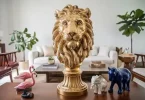
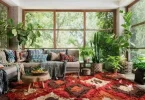
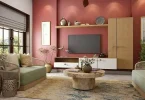
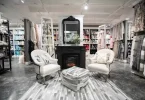
Cottagecore home decor brings the warmth of a countryside cottage into your living space through natural materials, vintage-inspired pieces, soft colors, floral patterns, handmade details, and a relaxed sense of comfort. You do not need to live in a rural cottage—or completely redesign your home—to embrace this style.
This guide explains what cottagecore home decor means, how to choose colors and furniture, which textiles and accessories work best, how to create the look on a budget, and what common mistakes to avoid. Whether you live in a suburban house, city apartment, farmhouse, or small rental, these practical ideas can help you create a welcoming cottage-inspired home.
What Is Cottagecore Home Decor?
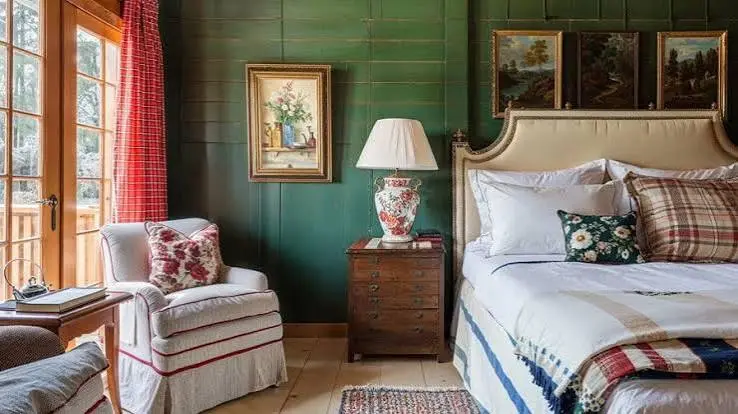
Cottagecore home decor is an interior design style inspired by traditional countryside living, simple routines, nature, gardening, vintage objects, and the cozy character of older homes. It emphasizes comfort and personality rather than a perfectly coordinated or ultra-modern appearance.
The style often combines elements such as:
- Floral and botanical patterns
- Vintage or antique-style furniture
- Natural wood
- Linen and cotton fabrics
- Soft, earthy colors
- Handmade or handcrafted objects
- Woven baskets
- Ceramic pottery
- Fresh or dried flowers
- Open shelving
- Traditional kitchen details
- Cozy reading and relaxation areas
The goal is not to make every room look old-fashioned. Instead, cottagecore creates a home that feels lived-in, peaceful, personal, and connected to nature.
Why Is Cottagecore Home Decor So Popular?
Cottagecore appeals to people who want their homes to feel warmer and less formal. Unlike highly minimalist interiors, it welcomes meaningful objects, layers of texture, books, plants, artwork, and furniture with visible character.
For many homeowners and renters, another advantage is flexibility. You can introduce cottagecore through a few inexpensive changes rather than replacing an entire room.
For example, a plain living room can become more cottage-inspired by adding a floral cushion, woven basket, vintage-style lamp, soft throw, wooden side table, and a vase of seasonal flowers.
Key Elements of Cottagecore Home Decor
A successful cottagecore interior usually combines several complementary elements instead of relying on one decoration.
Natural Materials
Natural materials are central to the cottage look. Wood, rattan, wicker, linen, cotton, stone, terracotta, and ceramic pieces can introduce warmth and texture.
Choose furniture and accessories with natural-looking finishes rather than highly glossy surfaces.
Good options include:
- Wooden dining tables
- Rattan chairs
- Wicker storage baskets
- Linen curtains
- Cotton quilts
- Ceramic vases
- Terracotta planters
- Wooden picture frames
You do not need expensive solid-wood furniture. A well-chosen secondhand piece can provide more character than a brand-new matching furniture set.
Soft, Nature-Inspired Colors
Cottagecore color palettes typically feel gentle and grounded. Think about the colors you might find in a garden, meadow, or traditional countryside home.
Popular choices include:
- Cream
- Warm white
- Sage green
- Olive green
- Dusty blue
- Soft yellow
- Muted pink
- Terracotta
- Warm beige
- Brown
A practical approach is to begin with a neutral base and introduce two or three muted accent colors.
For example, warm white walls can be paired with sage-green cushions, natural wood furniture, and small floral accents.
Floral and Botanical Patterns
Floral prints are strongly associated with cottagecore, but they should be used thoughtfully.
You can introduce botanical patterns through:
- Curtains
- Bedding
- Cushions
- Tablecloths
- Wallpaper
- Upholstered chairs
- Tea towels
- Artwork
If you are decorating a small room, consider using floral patterns on smaller items rather than covering every surface.
A single floral armchair or patterned cushion can create visual interest without overwhelming the space.
How to Choose Cottagecore Furniture
Furniture should feel comfortable, practical, and slightly timeless. Cottagecore works especially well with pieces that have traditional shapes, natural finishes, or signs of craftsmanship.
Choose Furniture With Character
Look for:
- Wooden tables with visible grain
- Windsor-style or traditional dining chairs
- Painted cabinets
- Vintage-inspired dressers
- Upholstered armchairs
- Wooden benches
- Small bedside tables
- Open bookcases
Secondhand furniture can be particularly useful because older pieces often have the imperfections and character associated with cottage interiors.
Before purchasing an old piece, check its structural condition, stability, hardware, and surface for damage. Cosmetic imperfections can often be embraced or repaired, but serious structural problems may require professional restoration.
Mix Old and New Pieces
One of the easiest ways to prevent cottagecore from feeling like a themed room is to mix vintage-inspired elements with contemporary necessities.
For example, pair a traditional wooden dining table with comfortable modern chairs, or place a vintage-style cabinet beside a simple contemporary sofa.
This creates a more natural and livable interior.
Cottagecore Living Room Ideas
The living room is one of the easiest places to introduce cottagecore home decor because soft furnishings and accessories can make a noticeable difference.
Start with a comfortable sofa and layer it with textured throws and patterned cushions.
Add a wooden coffee table, woven basket, ceramic vase, and warm table lamp. A bookshelf filled with books, small plants, framed artwork, and personal objects can reinforce the relaxed atmosphere.
Create a Cozy Reading Corner
A cottage-inspired reading corner can be simple.
Place a comfortable armchair near a window or lamp and add:
- A small side table
- A soft throw
- A reading lamp
- A small plant or vase
- A basket for books or blankets
The result should feel inviting rather than overly styled.
Cottagecore Kitchen Decor
The kitchen is particularly well suited to cottagecore because traditional kitchen details naturally complement the style.
Consider incorporating:
- Open wooden shelves
- Ceramic dishes
- Glass storage jars
- Woven baskets
- Wooden cutting boards
- Floral tea towels
- Enamel-style cookware
- Herb pots
- Traditional-looking hardware
Open shelving can display attractive everyday items, but it also requires regular cleaning and organization. If you prefer a low-maintenance kitchen, use a combination of closed cabinets and a small number of open shelves.
Add a Small Herb Garden
Fresh herbs can reinforce the connection between cottagecore and gardening.
A sunny kitchen windowsill can hold small pots of herbs such as basil, thyme, rosemary, or mint, provided the location offers suitable light and growing conditions.
Choose containers that complement the room without making the windowsill too crowded.
Cottagecore Bedroom Ideas
A cottagecore bedroom should feel calm, soft, and comfortable.
Start with natural bedding and introduce subtle patterns through quilts, pillowcases, curtains, or a lightweight bed throw.
Good choices include:
- Cotton bedding
- Linen-style textiles
- Floral prints
- Patchwork quilts
- Soft neutral colors
- Wooden furniture
- Vintage-style lamps
- Botanical artwork
Avoid making every item heavily patterned. If the bedding has a strong floral design, keep some surrounding elements relatively simple.
Use Layered Textures
Texture can make a bedroom feel cozy without requiring bold colors.
Combine materials such as cotton, linen, knitted fabrics, woven baskets, and natural wood. Different textures add depth while keeping the overall palette relaxed.
Cottagecore Bathroom Ideas
You can bring cottagecore into a bathroom without making major renovations.
Try adding:
- Floral or botanical artwork
- Woven storage baskets
- Wooden accessories suitable for bathroom use
- Soft cotton towels
- Ceramic containers
- Small plants that tolerate the room’s light and humidity
- Traditional-style mirrors
- Soft, neutral accessories
Keep bathroom materials practical. Excessive use of untreated wood or delicate textiles in consistently damp areas may lead to maintenance problems.
How to Create Cottagecore Home Decor on a Budget
You do not need a large decorating budget to achieve the look. Cottagecore is particularly compatible with secondhand shopping, DIY projects, and repurposing items you already own.
Cottagecore home decor brings a warm and peaceful feeling to any living space.
With soft colors and vintage furniture, Cottagecore home decor creates a cozy atmosphere.
Natural fabrics and handmade items make Cottagecore home decor feel more authentic.
Flowers, wooden accents, and rustic details beautifully complement Cottagecore home decor.
You can easily personalize Cottagecore home decor with simple and charming accessories.
Overall, Cottagecore home decor offers a comfortable, natural, and timeless style for your home.
1. Shop Your Own Home
Before buying anything, look for objects that can be moved or reused.
A wooden stool might become a plant stand. An old frame might work as wall decor. A ceramic bowl could become a decorative catch-all.
2. Visit Thrift and Secondhand Stores
Look for furniture and accessories with useful shapes and good construction.
Focus on quality rather than finding a complete matching set.
3. Add Textiles First
Cushions, throws, curtains, table runners, and bedding can dramatically change the atmosphere of a room without requiring expensive renovations.
Cottagecore home decor brings a warm and peaceful feeling to any living space.
With soft colors and vintage furniture, Cottagecore home decor creates a cozy atmosphere.
Natural fabrics and handmade items make Cottagecore home decor feel more authentic.
Flowers, wooden accents, and rustic details beautifully complement Cottagecore home decor.
You can easily personalize Cottagecore home decor with simple and charming accessories.
Overall, Cottagecore home decor offers a comfortable, natural, and timeless style for your home.
4. Bring in Nature
Fresh flowers, branches, herbs, and suitable houseplants can add a natural element.
For pet owners, families with young children, or anyone concerned about plant safety, verify that a plant is appropriate for the household before bringing it indoors.
5. Repurpose Existing Furniture
Painting or refinishing a suitable piece can give it a cottage-inspired appearance. However, prepare the surface properly and choose finishes appropriate for the material and intended use.
Cottagecore vs. Farmhouse Decor
Cottagecore and farmhouse decor overlap, but they are not identical.
| Feature | Cottagecore | Farmhouse |
|---|---|---|
| Overall mood | Romantic, cozy, nostalgic | Practical, rustic, welcoming |
| Patterns | Floral and botanical | Plaid, stripes, checks, simple prints |
| Colors | Soft, muted, nature-inspired | Neutrals, white, beige, earthy tones |
| Furniture | Vintage, traditional, collected | Rustic, sturdy, functional |
| Accessories | Books, flowers, ceramics, handmade pieces | Baskets, wood accents, functional objects |
| Styling | Layered and personal | Often simpler and more structured |
There is no need to choose one style exclusively. A farmhouse room can incorporate cottagecore details, and a cottage-inspired room can use practical farmhouse furniture.
Common Cottagecore Decorating Mistakes
Using Too Many Patterns
Floral prints are attractive, but covering every surface with different patterns can make a room feel visually chaotic.
Choose one dominant pattern and support it with smaller complementary prints.
Making Everything Look Artificially Old
Cottagecore is inspired by traditional living, not necessarily by making every object look antique.
Mix aged-looking pieces with modern conveniences so the room remains functional.
Buying Too Much Decor
A cottage-style room should feel collected over time. Filling every shelf immediately can make the space feel cluttered.
Leave some breathing room between objects.
Ignoring Functionality
Beautiful decor still needs to work for everyday life.
Consider storage, cleaning, durability, lighting, and how people actually move through the room before adding decorative items.
Following Trends Too Literally
Cottagecore should reflect your personality rather than becoming a strict checklist.
If you prefer fewer florals, use botanical artwork and natural materials instead. If you like modern furniture, combine it with vintage-inspired accessories.
Simple Steps to Start Your Cottagecore Makeover
If you are starting from scratch, follow this simple process:
- Choose a base color. Start with warm white, cream, beige, or another soft neutral.
- Select two or three accent colors. Sage, muted blue, dusty pink, and warm yellow can work well.
- Introduce natural materials. Add wood, wicker, rattan, linen, cotton, or ceramic.
- Add one vintage-inspired focal point. This could be a cabinet, mirror, chair, or table.
- Layer textiles. Use cushions, throws, curtains, or bedding for softness.
- Bring in botanical elements. Add flowers, plants, herbs, or botanical artwork.
- Personalize the room. Display books, photographs, handmade objects, or meaningful collections.
- Edit the space. Remove anything that feels unnecessary or visually distracting.
The final step is important. Cottagecore should feel comfortably collected—not overcrowded.
How to Make Cottagecore Work in a Modern Home
You do not need an old house to create a cottage-inspired atmosphere.
In a modern apartment, concentrate on portable elements such as textiles, artwork, lighting, plants, ceramics, and small furniture.
For example, a contemporary white kitchen can gain cottage character through wooden cutting boards, ceramic dishes, herb pots, woven storage, and a small floral textile.
Similarly, a modern living room can become warmer with a vintage-style lamp, natural wood table, floral cushions, a soft throw, and a collection of framed botanical prints.
The key is contrast: modern architecture can provide a clean background while cottagecore details add warmth and personality.
Home GardenExample WebsiteCreating a beautiful and healthy garden starts with choosing the right plants and understanding proper garden care. You can also explore Home Garden for more useful gardening ideas and information.
Frequently Asked Questions
What is cottagecore home decor?
Cottagecore home decor is an interior style inspired by countryside cottages, nature, traditional crafts, gardening, and a slower, simpler way of living. It commonly features natural materials, floral patterns, vintage-inspired furniture, soft colors, handmade objects, ceramics, plants, and cozy textiles. The style emphasizes comfort, individuality, and a relaxed lived-in appearance.
How can I make my house look cottagecore?
Start with warm, muted colors and natural materials such as wood, wicker, cotton, linen, and ceramic. Add floral or botanical patterns through smaller furnishings, then introduce vintage-inspired furniture, plants, flowers, books, and handmade accessories. You do not need to redesign the entire house; a few carefully chosen elements can establish the aesthetic.
Cottagemcore home decor brings a warm, cozy, and natural feeling to your living space.
With Cottagemcore home decor, you can create a peaceful atmosphere using soft colors and vintage-inspired pieces.
Cottagemcore home decor often includes floral patterns, wooden furniture, and charming handmade accessories.
Adding Cottagemcore home decor elements can make your bedroom, living room, or kitchen feel more inviting.
For a rustic and relaxing style, Cottagemcore home decor is a beautiful choice for any home.
Choose Cottagemcore home decor to enjoy a timeless, comfortable, and nature-inspired interior.
Is cottagecore decor expensive?
Cottagecore decor does not have to be expensive. Secondhand furniture, thrifted accessories, inexpensive textiles, plants, flowers, and DIY projects can all contribute to the style. Rather than purchasing many decorative items at once, look for durable pieces with character and gradually build a collection that suits your home.
What colors are best for cottagecore interiors?
Cottagecore commonly works well with soft, nature-inspired shades such as cream, warm white, sage green, olive, dusty blue, muted pink, beige, brown, and soft yellow. A neutral base combined with a few muted accent colors usually creates a balanced result. The exact palette can be adjusted to suit your home’s natural light and existing finishes.
Cottagecore home decor brings a warm and peaceful feeling to any living space.
With soft colors and vintage furniture, Cottagecore home decor creates a cozy atmosphere.
Natural fabrics and handmade items make Cottagecore home decor feel more authentic.
Flowers, wooden accents, and rustic details beautifully complement Cottagecore home decor.
You can easily personalize Cottagecore home decor with simple and charming accessories.
Overall, Cottagecore home decor offers a comfortable, natural, and timeless style for your home.
Can cottagecore work in a small apartment?
Yes. Cottagecore can work particularly well in small apartments when the design focuses on texture and carefully selected accessories rather than large amounts of furniture. Use woven baskets for storage, compact wooden pieces, botanical artwork, soft textiles, and a few plants. Keep pathways clear and avoid excessive decorative objects that can make a small room feel crowded.
Conclusion
Cottagecore home decor is about creating a home that feels warm, comfortable, personal, and connected to nature. Natural materials, soft colors, floral patterns, vintage-inspired furniture, handmade details, plants, and layered textiles are some of its most recognizable elements.
You do not need a farmhouse or traditional cottage to embrace the style. Start with one room, choose a simple color palette, add natural textures, introduce a few meaningful vintage or botanical pieces, and build the look gradually.
A practical next step: choose one room in your home and begin with three changes—a natural-texture accessory, a soft textile, and a botanical or vintage-inspired detail. From there, let the style develop naturally around the pieces you genuinely enjoy.