
Meta Title: Indoor Plant Care Guide for Healthy Houseplants
Meta Description: Learn essential indoor plant care tips, including watering, lighting, soil, humidity, fertilizing, pruning, and pest prevention.
Indoor plant care is essential for keeping houseplants healthy, fresh, and attractive throughout the year. Indoor plants can improve the appearance of a room, create a relaxing atmosphere, and bring a natural touch to homes and offices. However, every plant has different needs, and improper watering, poor lighting, or unsuitable soil can quickly damage it.
Understanding a few basic plant-care principles can help beginners grow strong and beautiful indoor plants without difficulty.
Choose the Right Indoor Plant
The first step is selecting a plant that matches your indoor environment. Some plants require bright sunlight, while others grow well in low-light areas.
Popular beginner-friendly indoor plants include:
- Snake plant
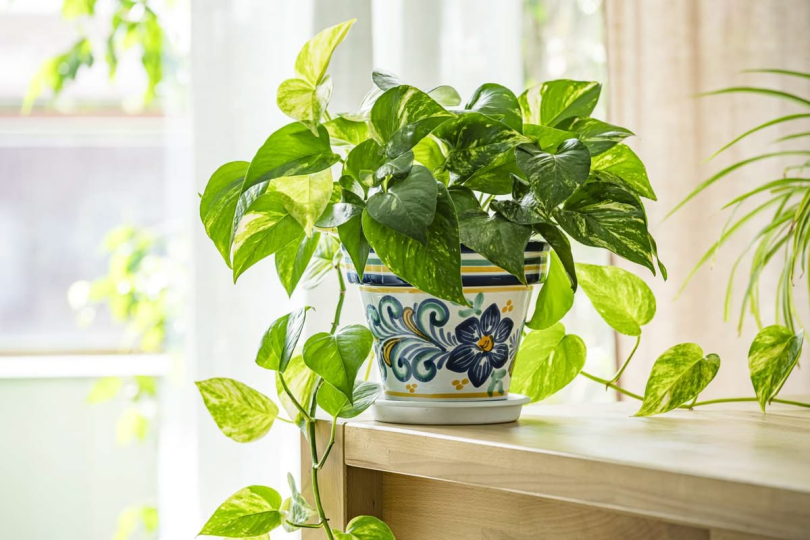
- Pothos
- Spider plant
- Peace lily
- ZZ plant
- Aloe vera
- Rubber plant
Before purchasing a plant, check the amount of natural light available in your room. A low-light plant is usually a better choice for bedrooms, offices, and hallways. Sun-loving plants should be placed near bright windows.
Provide the Correct Amount of Light
Light is one of the most important parts of indoor plant care. Plants use light to produce energy and support healthy growth.
Bright indirect light is suitable for many common houseplants. It means the plant receives plenty of natural brightness without being exposed to strong direct sunlight. Harsh afternoon sunlight may burn delicate leaves, while insufficient light can cause weak stems, slow growth, and pale leaves.
Rotate the plant every one or two weeks so that all sides receive equal light. This prevents the plant from leaning heavily toward the window.
Water Indoor Plants Properly
Overwatering is one of the most common reasons indoor plants die. Many people water plants according to a fixed schedule, but the soil may not always dry at the same speed.
Check the top two or three centimetres of soil before watering. When the soil feels dry, water the plant thoroughly until excess water flows out of the drainage holes. Do not allow the pot to remain in standing water.
During warm weather, plants may need water more frequently. In winter, plant growth often slows down, so less watering may be required.
Signs of overwatering include yellow leaves, soft stems, mouldy soil, and root rot. Underwatered plants may have dry soil, brown leaf edges, and drooping leaves.
Use Pots with Drainage Holes
A decorative pot may look beautiful, but it should have proper drainage. Drainage holes allow extra water to escape and reduce the risk of root rot.
When using a decorative container without holes, keep the plant inside a smaller nursery pot. Remove it for watering and allow the excess water to drain completely before placing it back.
The pot should also be suitable for the plant’s size. A very large pot can hold too much moisture, while a small pot may restrict root growth.
Select Suitable Potting Soil
Indoor plants should not normally be grown in heavy garden soil. Garden soil can become compacted inside containers and may prevent air and water from reaching the roots.
Use a high-quality indoor potting mix that provides good drainage and airflow. Some plants require special soil. For example, cacti and succulents perform better in fast-draining soil, while tropical plants may prefer a mix that holds slightly more moisture.
Replace old soil when it becomes compacted, develops a bad smell, or no longer drains properly.
Maintain Proper Humidity
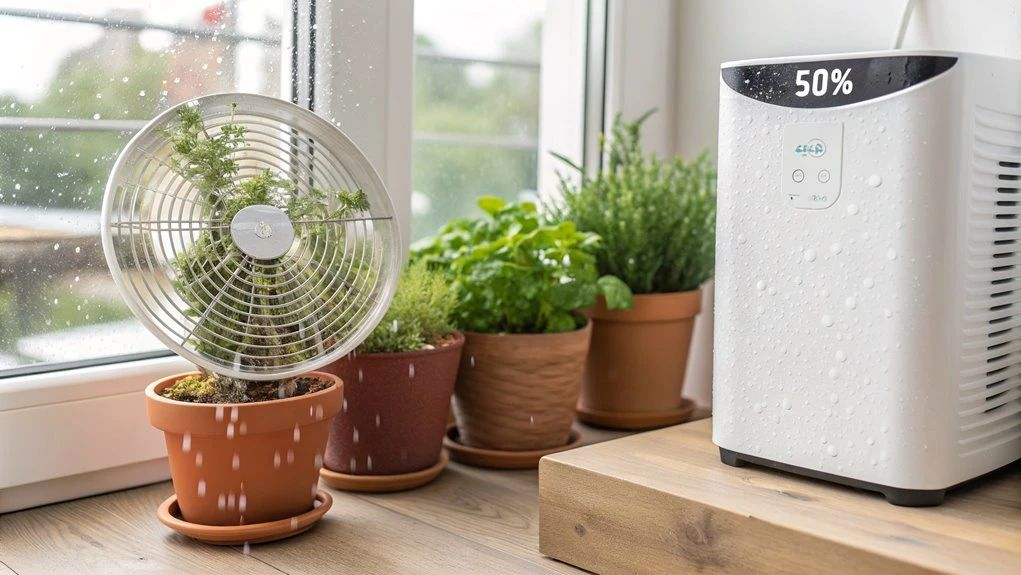
Many indoor plants, especially tropical varieties, prefer moderate or high humidity. Air conditioners and heaters can make indoor air dry, causing brown leaf tips or curled leaves.
You can increase humidity by grouping plants together, using a humidifier, or placing a tray of water near the plants. Avoid keeping the bottom of the plant pot directly in the water.
Misting provides temporary moisture, but it may not significantly increase humidity for a long period. Good air circulation is also important because constantly wet leaves can encourage fungal problems.
Fertilize During the Growing Season
Indoor plants need nutrients to produce healthy leaves, roots, and new growth. A balanced liquid houseplant fertilizer can be used during spring and summer when most plants grow actively.
Always follow the instructions on the fertilizer label. Applying too much fertilizer can burn the roots and cause brown leaf edges. Fertilizing once every four to six weeks is sufficient for many common indoor plants.
Reduce or stop fertilizing during winter unless the plant continues active growth.
Clean and Prune the Leaves
Dust can collect on indoor plant leaves and block light. Gently wipe large leaves with a soft, damp cloth. Smaller plants can be cleaned with a light shower, but the soil should not become overly wet.
Remove yellow, damaged, or dead leaves using clean scissors. Pruning helps maintain the plant’s shape and encourages new growth. Long vines can also be trimmed to make the plant look fuller.
Avoid using chemical leaf-shine products because they may block the plant’s natural pores.
Check for Indoor Plant Pests
Inspect your plants regularly for common pests such as spider mites, mealybugs, aphids, fungus gnats, and scale insects. Look under the leaves and around the stems for small insects, sticky residue, webbing, or unusual spots.
Separate an infected plant from other houseplants immediately. Mild infestations can often be managed by cleaning the leaves and using insecticidal soap according to the product instructions.
New plants should be kept separately for several days before placing them near an existing plant collection.
Repot When Necessary
Indoor plants usually need repotting when roots begin growing through the drainage holes, growth slows down, or the soil dries unusually quickly.
Choose a pot that is only slightly larger than the current container. Carefully remove the plant, loosen tightly packed roots, add fresh potting mix, and water lightly.
Spring is generally a suitable time for repotting because plants are entering an active growth period.
Conclusion
Successful indoor plant care depends on balance. Plants need suitable light, proper watering, good drainage, healthy soil, and occasional feeding. Regularly checking leaves, soil moisture, and root growth can help you identify problems before they become serious.
Start with easy-care plants, learn their individual requirements, and avoid making sudden changes to their environment. With consistent attention and patience, indoor plants can remain healthy, attractive, and productive for many years.