
Meta Title: Beginner Gardening Tips for Healthy Plant Growth
Meta Description: Discover practical beginner gardening tips for choosing plants, preparing soil, watering correctly, and creating a healthy home garden.
Gardening is a relaxing and rewarding activity that allows you to grow beautiful flowers, fresh herbs, vegetables, and healthy plants at home. However, beginners often feel confused about soil, watering, sunlight, fertilizers, and plant selection. The good news is that gardening does not need to be difficult. With the right planning and basic knowledge, anyone can create a successful garden.
These beginner gardening tips will help you avoid common mistakes and build a healthy garden step by step.
Start With a Small Garden
One of the most important gardening tips for beginners is to start small. Many new gardeners try to grow too many plants at once. This can make watering, pruning, and plant care difficult.
Begin with a few pots, a small garden bed, or a limited section of your backyard. Choose three to five easy plants and learn how they grow. Once you become confident, you can gradually expand your garden.
A small garden is easier to manage and helps you understand the needs of different plants without feeling overwhelmed.
Choose the Right Location
Plants need the correct amount of sunlight to grow properly. Before planting anything, observe your garden area during the day.
Most vegetables, fruits, and flowering plants need around six to eight hours of direct sunlight. Herbs and some indoor plants may grow well in partial sunlight.
Select a location that receives enough light and is protected from strong winds. The area should also be close to a water source so you can water the plants conveniently.
Select Beginner-Friendly Plants
Choosing the right plants can make gardening easier and more enjoyable. Beginners should select plants that are suitable for their local climate and do not require complicated care.
Some easy plants for beginners include:
- Mint
- Basil
- Coriander
- Tomatoes
- Green chilies
- Marigolds
- Sunflowers
- Aloe vera
- Snake plants
- Radishes
Local plants are usually easier to grow because they are already adapted to the weather and soil conditions of the area.
Always check the plant label or seed packet for information about sunlight, watering, spacing, and planting season.
Prepare Healthy Soil
Healthy soil is the foundation of a successful garden. Good soil provides plants with nutrients, water, and oxygen.
Avoid using hard, compacted, or poor-quality soil. Mix garden soil with organic compost, aged manure, or potting mix to improve its structure and fertility.
For container gardening, use a quality potting mix instead of regular ground soil. Potting mix is lighter and provides better drainage.
You can also add homemade compost created from vegetable peels, dry leaves, fruit waste, and other natural materials. Avoid adding meat, oily food, plastic, or chemicals to compost.
Use Containers With Drainage Holes
Container gardening is an excellent option for people who have limited space. You can grow plants on balconies, rooftops, windowsills, and patios.
Make sure every pot has drainage holes at the bottom. These holes allow extra water to escape. Without proper drainage, water can collect around the roots and cause root rot.
Place a tray under indoor pots to protect the floor, but do not allow the pot to sit in standing water for long periods.
Choose a pot size based on the plant’s expected growth. Larger plants need deeper and wider containers.
Water Plants Correctly
Incorrect watering is one of the most common gardening mistakes. Both overwatering and underwatering can damage plants.
Instead of watering on a fixed schedule, check the soil first. Insert your finger approximately two to three centimetres into the soil. When the soil feels dry, the plant may need water. When it still feels moist, wait before watering again.
Water the soil slowly and deeply rather than only wetting the leaves. Morning is usually the best time to water because plants can absorb moisture before the hottest part of the day.
Avoid watering plants during extremely hot afternoons because water may evaporate quickly.
Give Plants Enough Space
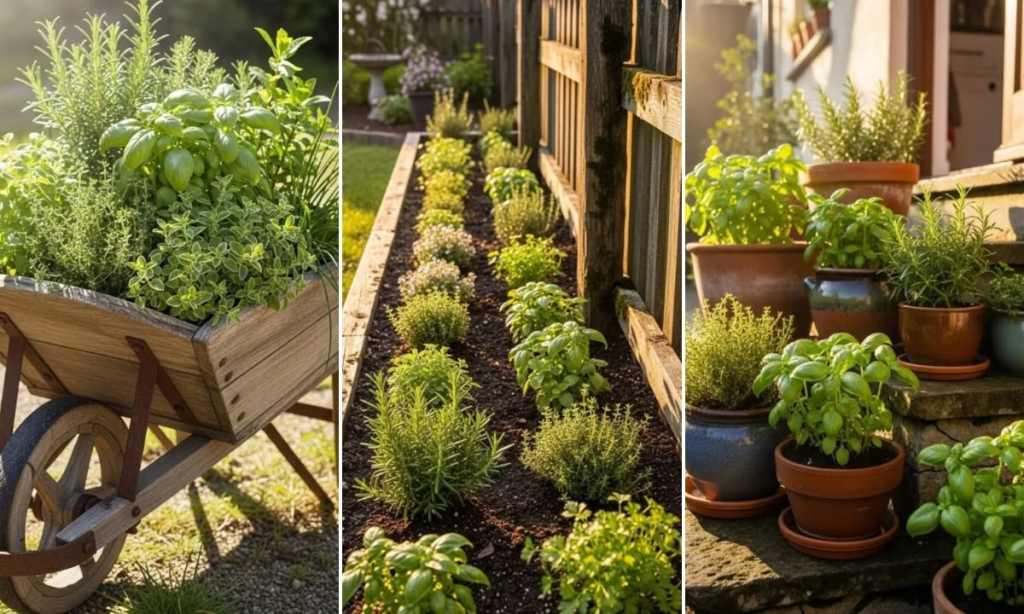
Plants need space for their roots, stems, and leaves to develop. Growing plants too close together can reduce airflow and increase the risk of fungal diseases and pests.
Follow the spacing instructions mentioned on seed packets or plant labels. Remove weak seedlings when necessary so the stronger plants have enough room to grow.
Proper spacing also ensures that every plant receives adequate sunlight, water, and nutrients.
Feed Plants Carefully
Plants need nutrients, but using too much fertilizer can burn their roots and damage growth. Beginners should use organic compost or a balanced fertilizer according to the instructions on the packaging.
Do not apply fertilizer more frequently than recommended. Some plants need feeding every few weeks, while others can grow well with occasional compost.
Water the soil after applying fertilizer unless the product instructions say otherwise.
Watch for Pests and Diseases
Check your plants regularly for damaged leaves, unusual spots, insects, or slow growth. Early detection makes pest problems easier to control.
Remove affected leaves and keep the garden area clean. Natural solutions such as neem oil, mild soapy water, or manual insect removal may help with small pest problems.
Avoid using strong pesticides without understanding their effects, especially on vegetables, pets, beneficial insects, and children.
Remove Weeds Regularly
Weeds compete with garden plants for sunlight, water, nutrients, and space. Remove weeds while they are still small because mature weeds are harder to control.
Pull weeds from the roots to prevent them from growing again. Adding mulch around plants can also reduce weed growth.
Organic mulch such as dry leaves, straw, bark, or grass clippings helps retain soil moisture and regulate temperature.
Keep a Gardening Record
A simple gardening journal can help you track planting dates, watering routines, fertilizer use, plant growth, and pest problems.
Write down which plants performed well and which ones struggled. This information will help you improve your garden each season.
You can also take weekly photographs to observe changes and identify problems more easily.
Be Patient and Learn From Mistakes
Plants take time to grow, and not every seed will become a healthy plant. Weather changes, pests, soil conditions, and watering mistakes can affect results.
Do not become discouraged when a plant fails. Gardening is a continuous learning process. Observe your plants, make small changes, and enjoy every stage of their growth.
Conclusion
Successful gardening begins with simple planning, healthy soil, proper sunlight, correct watering, and suitable plants. Start with a small area, choose beginner-friendly plants, and check them regularly for pests or signs of stress.
By following these beginner gardening tips, you can create a healthy and attractive garden even with limited space or experience. Stay patient, learn from each season, and enjoy the satisfaction of growing plants with your own hands.