
Meta Title: Seasonal Plant Care Tips for Healthy Plants Year-Round
Meta Description: Learn effective seasonal plant care tips for spring, summer, autumn, and winter to keep indoor and outdoor plants healthy throughout the year.
Introduction
Seasonal plant care is essential for keeping your indoor and outdoor plants healthy throughout the year. Plants respond differently to changing temperatures, sunlight, rainfall, and humidity. A care routine that works during spring may not be suitable during winter.
By adjusting watering, feeding, pruning, and protection according to each season, you can prevent common plant problems and encourage strong growth. This guide explains how to care for your plants during spring, summer, autumn, and winter.
Spring Plant Care
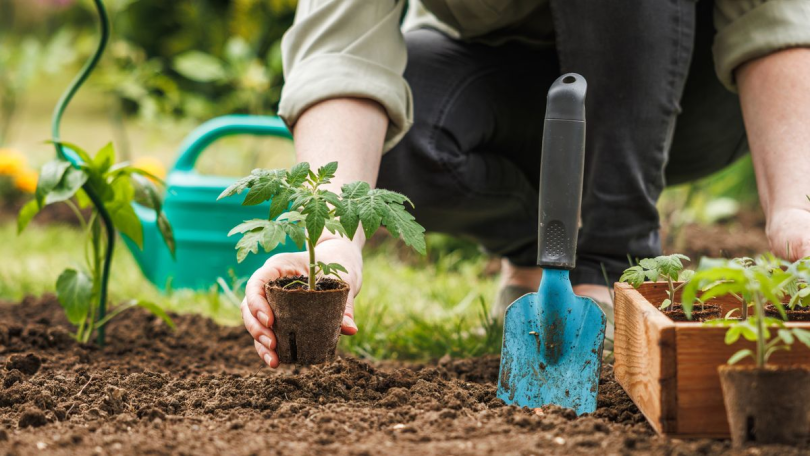
Spring is the main growing season for most plants. As temperatures rise and daylight hours increase, plants begin producing new leaves, shoots, and flowers.
Start by inspecting your plants for dead leaves, damaged stems, or signs of pests. Remove unhealthy growth using clean pruning tools. Pruning helps improve air circulation and allows the plant to focus its energy on new growth.
Spring is also a suitable time to repot indoor plants. If roots are growing through drainage holes or the plant dries out very quickly, move it into a slightly larger container. Always use fresh, well-draining soil suitable for the plant type.
Increase watering gradually because plants need more moisture during active growth. However, avoid keeping the soil constantly wet. Check the top layer of soil before watering.
You can also begin fertilising plants during spring. Use a balanced fertiliser according to the product instructions. Applying too much fertiliser can damage roots, so avoid overfeeding.
Summer Plant Care
Summer brings strong sunlight, high temperatures, and faster water evaporation. During this season, plants may require more frequent attention.
Check outdoor plants regularly, especially those growing in containers. Potted plants dry out faster than plants growing directly in the ground. Water deeply in the early morning or evening when temperatures are cooler.
Avoid watering leaves during the hottest part of the day. Water droplets and intense sunlight may cause leaf damage, while excess moisture on leaves can encourage fungal problems.
Some plants may need protection from strong afternoon sunlight. Move sensitive container plants into partial shade or use shade cloth where necessary. Indoor plants near windows may also require protection from direct sunlight.
Apply mulch around outdoor plants to retain soil moisture and reduce weed growth. Organic materials such as bark, compost, dry leaves, or straw can help keep roots cool.
Summer is also a common season for pests such as aphids, spider mites, whiteflies, and mealybugs. Inspect the underside of leaves and treat pest problems early before they spread.
Autumn Plant Care
Autumn is a preparation season. Plant growth begins to slow as temperatures fall and daylight becomes shorter.
Gradually reduce watering because plants use less moisture during cooler weather. Always check the soil before adding more water. Overwatering during autumn can lead to root rot.
Remove fallen leaves, dead flowers, and damaged branches from garden areas. Cleaning the growing space reduces hiding places for pests and lowers the risk of plant diseases.
Autumn is a good time to plant certain trees, shrubs, and spring-flowering bulbs. Cooler temperatures allow roots to establish without the stress of intense summer heat.
Reduce fertiliser applications during autumn. Feeding plants too late may encourage soft new growth that can be damaged by cold weather.
Move cold-sensitive container plants to a protected location before temperatures drop. Check plants carefully for insects before bringing them indoors.
Winter Plant Care
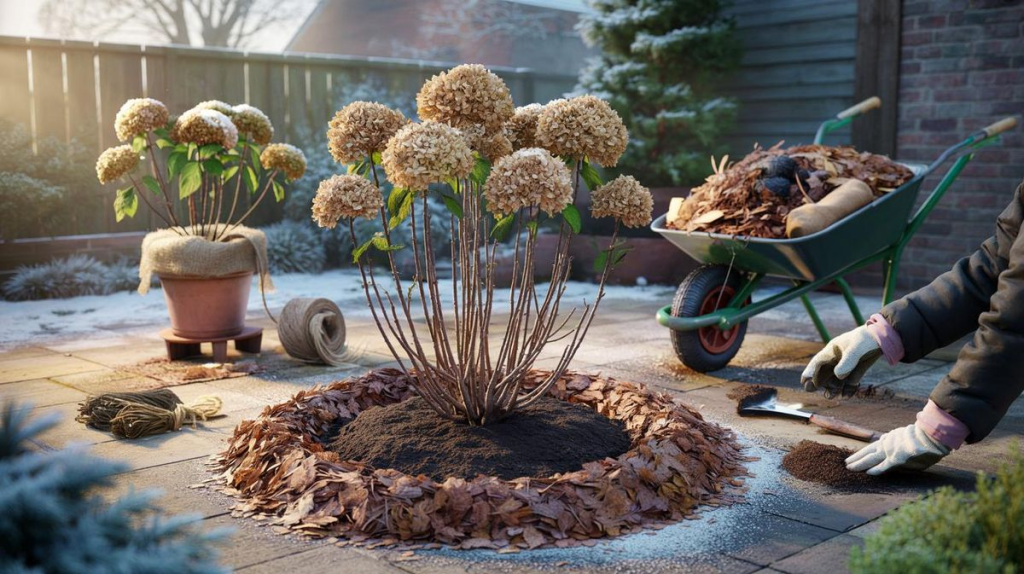
Winter can be challenging because plants receive less sunlight and grow more slowly. Some outdoor plants become dormant, while indoor plants may struggle with dry air and temperature changes.
Water plants less frequently during winter. The soil takes longer to dry, and excessive watering is one of the most common causes of winter plant damage.
Place indoor plants near bright windows, but keep them away from cold drafts, heaters, and radiators. Sudden temperature changes can cause leaf drop and stress.
Dust indoor plant leaves regularly using a soft, damp cloth. Clean leaves absorb sunlight more effectively, which is especially important during darker winter months.
Most plants do not require regular fertiliser during winter. Feeding should normally resume when active growth begins in spring.
Protect outdoor plants from frost by using garden fleece, plant covers, or a layer of mulch around the roots. Container plants can be moved near a wall, under a roof, or into a sheltered area.
General Seasonal Plant Care Tips
Although every plant has different needs, some basic care habits apply throughout the year.
Always research the specific sunlight, watering, soil, and temperature requirements of each plant. Grouping plants with similar needs can make your care routine easier.
Use containers with proper drainage holes and never allow pots to remain in standing water. Clean gardening tools regularly to prevent diseases from spreading between plants.
Inspect your plants every week. Early signs of trouble may include yellow leaves, brown edges, wilting, unusual spots, weak growth, or visible insects. Identifying problems early makes treatment easier.
Keep a simple plant care schedule to record watering, fertilising, repotting, and pest treatments. This can help you understand how your plants respond during different seasons.
Common Seasonal Plant Care Mistakes
One common mistake is following the same watering routine throughout the year. Plant water requirements change according to temperature, sunlight, humidity, and growth rate.
Another mistake is placing every plant in direct sunlight during summer. Some plants prefer bright but indirect light and may develop scorched leaves under intense sun.
Overfeeding is also harmful. Fertiliser should support active growth, not force plants to grow during dormant periods.
Ignoring seasonal pests can also lead to serious damage. Regular inspections are necessary even when plants appear healthy.
Conclusion
Seasonal plant care involves adjusting your routine as environmental conditions change. Spring is the time for pruning, repotting, and feeding. Summer requires careful watering, pest control, and heat protection. Autumn is ideal for cleaning and preparing plants for colder weather, while winter care focuses on reduced watering, stable temperatures, and frost protection.
By observing your plants and responding to their seasonal needs, you can maintain healthier growth, stronger roots, and more beautiful flowers throughout the year.