
Meta Title: Organic Gardening Guide for Healthy Plant Growth
Meta Description: Learn how to start an organic garden using natural soil care, compost, pest control, watering, and sustainable gardening techniques.
Introduction
An organic gardening guide helps beginners grow healthy vegetables, fruits, herbs, and flowers without relying on harmful synthetic chemicals. Organic gardening focuses on improving soil health, protecting beneficial insects, conserving water, and using natural methods to manage pests and plant diseases.
You do not need a large yard or expensive equipment to start. A balcony, rooftop, backyard, or a few containers can provide enough space for a productive organic garden. With proper planning and regular care, you can grow fresh food while creating a healthier environment around your home.
Choose the Right Gardening Location
The first step is selecting a suitable place for your plants. Most vegetables and flowering plants need approximately six to eight hours of sunlight each day. Observe your available space and determine which area receives the most direct sunlight.
The location should also have good air circulation and easy access to water. Avoid areas where rainwater collects for long periods because waterlogged soil can damage plant roots.
People with limited outdoor space can use pots, raised beds, hanging baskets, or vertical planters. Containers are excellent for growing herbs, tomatoes, peppers, lettuce, and strawberries.
Improve the Soil Naturally
Healthy soil is the foundation of a successful organic garden. Good soil supplies nutrients, holds moisture, and allows plant roots to grow properly.
Before planting, loosen the soil and remove stones, weeds, and unwanted roots. Add organic materials such as:
- Homemade compost
- Well-rotted animal manure
- Dry leaves
- Grass clippings
- Coconut coir
- Worm castings
Compost improves soil structure and provides nutrients slowly. It also supports beneficial microorganisms that help plants absorb nutrients.
Avoid adding fresh manure directly around young plants because it may burn their roots. Always use properly aged or composted manure.
Select Healthy Plants and Seeds
Choose plants that grow well in your local climate. Native and climate-friendly varieties usually require less water and are more resistant to local pests and diseases.
Beginners can start with easy-to-grow plants such as:
- Tomatoes
- Mint
- Coriander
- Basil
- Spinach
- Radishes
- Green beans
- Marigolds
- Lettuce
- Chillies
When buying seedlings, select plants with green leaves, strong stems, and healthy roots. Avoid seedlings with yellow leaves, visible insects, or damaged stems.
Check seed packets for planting depth, spacing, sunlight, and watering instructions. Proper spacing is important because overcrowded plants compete for nutrients and develop fungal problems more easily.
Make Organic Compost at Home
Composting is one of the most valuable organic gardening practices. It turns kitchen and garden waste into nutrient-rich soil material.
You can compost vegetable peels, fruit scraps, tea leaves, coffee grounds, eggshells, dry leaves, shredded paper, and small grass clippings. Avoid adding plastic, glass, meat, oily food, or chemically treated materials.
Use a balanced mixture of green materials and brown materials. Green materials, such as fresh grass and vegetable waste, provide nitrogen. Brown materials, such as dry leaves and cardboard, provide carbon.
Keep the compost slightly moist and turn it regularly. After decomposition, the finished compost should look dark, loose, and earthy.
Water Plants Correctly
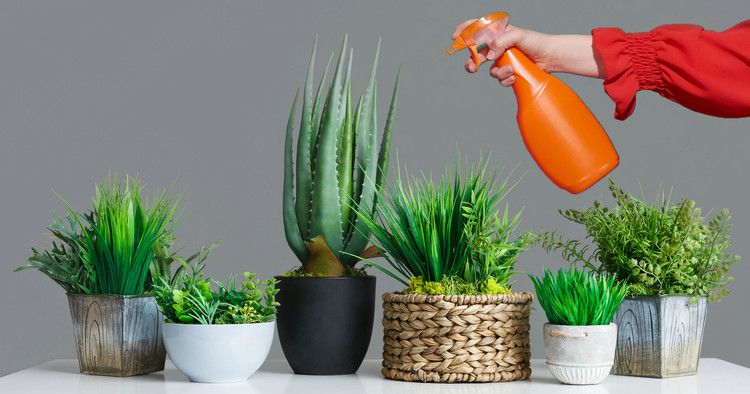
Organic gardens need consistent watering, but excessive watering can cause root rot and fungal diseases. Water the soil instead of pouring water over the leaves.
Early morning is generally the best time to water plants. It allows moisture to reach the roots before the temperature rises. Evening watering may also work, but wet leaves left overnight can encourage disease.
Check the soil before watering. Insert your finger a few centimetres into the soil. Water the plant when the upper layer feels dry.
Adding mulch around plants helps reduce water loss. Natural mulch materials include straw, dry leaves, wood chips, grass clippings, and shredded bark.
Control Pests Naturally
Not every insect in the garden is harmful. Bees, butterflies, ladybirds, spiders, and earthworms can support plant health and pollination.
Inspect your plants regularly. Check the leaves, stems, flowers, and soil for pests or damage. Small pest problems are easier to control before they spread.
Natural pest-control methods include:
- Removing insects by hand
- Spraying plants with mild soapy water
- Using neem-based garden spray
- Growing marigolds near vegetables
- Removing heavily damaged leaves
- Encouraging birds and beneficial insects
- Rotating crops each season
Always test homemade sprays on a small part of the plant before applying them widely. Strong mixtures can damage delicate leaves.
Use Companion Planting
Companion planting means growing different plants together because they support one another. Some plants attract pollinators, while others may help repel certain pests.
For example, basil can be grown near tomatoes, and marigolds are commonly planted around vegetable beds. Flowers can also attract bees and other useful insects.
However, companion planting should not replace proper watering, soil care, and pest inspection. It works best as part of a complete organic gardening plan.
Remove Weeds Regularly
Weeds compete with garden plants for sunlight, water, nutrients, and space. Remove them while they are small, preferably after watering or rainfall when the soil is softer.
Pull weeds carefully from the base so that the roots are removed. Leaving the roots behind may allow the weed to grow again.
Mulching is another effective way to reduce weed growth. A layer of organic mulch blocks sunlight from reaching weed seeds while also improving soil moisture.
Rotate Your Crops
Avoid growing the same type of plant in the same location every season. Crop rotation helps reduce soil nutrient loss and interrupts the life cycles of certain pests and diseases.
For example, after growing tomatoes in one bed, plant beans, leafy greens, or root vegetables there during the next growing cycle. Keep a simple garden record so you can remember where different crops were planted.
Harvest at the Right Time
Regular harvesting encourages many plants to continue producing. Pick leafy vegetables while they are young and tender. Harvest tomatoes when they develop their expected colour and feel slightly soft.
Use clean scissors or gardening tools to avoid damaging the plant. Do not pull fruits roughly because this may break stems or disturb roots.
Wash harvested produce carefully before eating, even when no synthetic pesticides have been used.
Conclusion
Organic gardening is a practical and environmentally friendly way to grow fresh, healthy plants. Success begins with choosing the right location, improving the soil, making compost, watering carefully, and controlling pests naturally.
Start with a few easy plants and learn through regular observation. Over time, your soil will become healthier, your gardening skills will improve, and your garden will produce better results. With patience and consistent care, even a small space can become a productive and beautiful organic garden.