

Meta Title: DIY Renovation Tips for a Beautiful Home Makeover
Meta Description: Discover practical DIY renovation tips to improve your home, control costs, avoid mistakes, and complete successful renovation projects.
Introduction
DIY Renovation https://homegardene.com/category/home-improvement/Tips can help homeowners improve their living spaces without spending a large amount of money on professional contractors. Whether you want to repaint a room, upgrade old cabinets, improve lighting, or refresh your flooring, careful planning can make the renovation process easier and more successful.
Home renovation does not always require advanced construction skills. Many small improvements can be completed with basic tools, affordable materials, and a clear step-by-step plan. However, it is important to understand your limits and avoid handling complicated electrical, plumbing, or structural work without professional support.
This guide explains practical DIY renovation tips, budgeting ideas, safety precautions, common mistakes, and simple projects that can improve the appearance and value of your home.
Plan Your Renovation Before Starting
A successful renovation starts with proper planning. Do not begin removing cabinets, flooring, or wall coverings until you know exactly what you want to achieve.
Start by identifying the main purpose of the renovation. You may want to create more storage, improve comfort, modernize the interior, or prepare your home for sale. A clear goal will help you select suitable materials and avoid unnecessary expenses.
Create a simple renovation checklist that includes:
- Rooms or areas that need improvement
- Materials and tools required
- Estimated project cost
- Expected completion time
- Tasks that may require professional help
Taking measurements is also important. Measure walls, doors, windows, floors, and furniture spaces carefully before purchasing materials. Incorrect measurements can lead to wasted paint, unsuitable furniture, and flooring problems.
Set a Realistic DIY Renovation Budget
Budgeting is one of the most important DIY renovation tips. Even a small project can become expensive when costs are not controlled.
Calculate the expected price of paint, tools, flooring, fixtures, hardware, and decorative materials. Add an extra amount for unexpected costs because renovation projects often reveal hidden problems.
For example, removing old wallpaper may expose damaged plaster, while replacing a sink may reveal leaking pipes. Keeping an emergency budget can help you complete the project without financial stress.
Compare prices from different suppliers and look for seasonal discounts. Reusing existing furniture, cabinets, shelves, or decorative items can also reduce renovation expenses.
Avoid purchasing the cheapest materials simply to save money. Low-quality products may wear out quickly and require replacement. Choose affordable materials that offer reasonable durability and long-term value.
Start With Small Renovation Projects
Beginners should start with simple projects before attempting major renovations. Small projects help you build confidence and learn how to use tools correctly.
Some beginner-friendly DIY renovation ideas include:
- Repainting interior walls
- Replacing cabinet handles
- Installing shelves
- Updating curtains and blinds
- Applying removable wallpaper
- Replacing old light fixtures
- Refinishing wooden furniture
- Adding decorative wall panels
Completing one room or section at a time also prevents the entire home from becoming messy. Start with the easiest area and move toward more challenging projects after gaining experience.
Refresh Walls With Paint
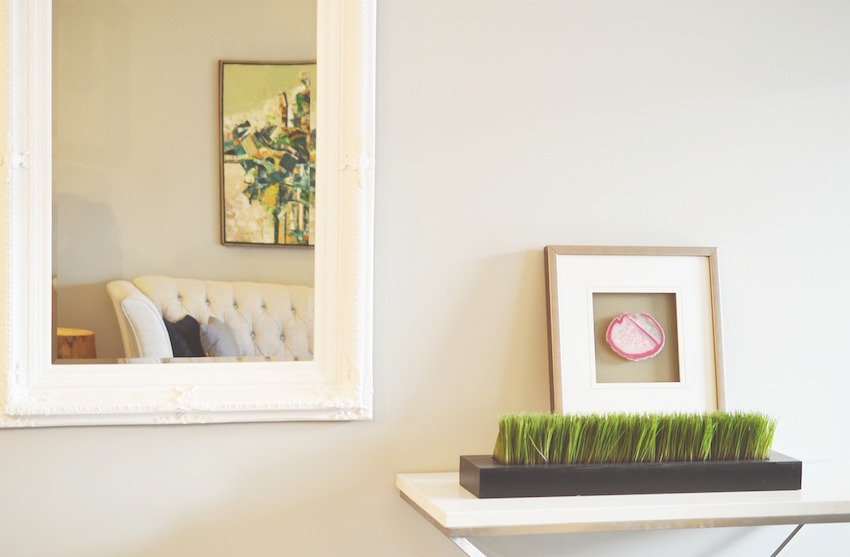
Painting is one of the easiest and most affordable ways to transform a room. A fresh coat of paint can make an old space appear cleaner, brighter, and more modern.
Before painting, repair cracks, holes, and damaged areas. Clean the walls to remove dust, oil, and stains. Use painter’s tape around windows, doors, switches, and skirting boards to create clean edges.
Apply a suitable primer when painting over dark colors, stains, bare wood, or newly repaired surfaces. Primer helps the final color look smoother and improves paint durability.
Choose light colors for smaller rooms because they can make the space feel larger. Darker colors can create a warm and dramatic appearance but may make a small room feel more limited.
Always test a small paint sample before covering the entire wall. Lighting conditions can change how a color appears throughout the day.
Upgrade Kitchen Cabinets Affordably
Replacing kitchen cabinets can be expensive, but you can improve their appearance without installing a completely new kitchen.
Cleaning, sanding, and repainting old cabinets can create a fresh look. Replace outdated handles and knobs with modern hardware. You can also install adhesive cabinet liners inside drawers and shelves.
Open shelving is another affordable renovation idea. Removing selected cabinet doors can create a more spacious appearance and provide an attractive place to display plates, glasses, or decorative items.
Make sure cabinet surfaces are suitable for painting. Use products designed for wood, laminate, or metal, depending on the cabinet material.
Improve Lighting Around the Home
Good lighting can completely change the atmosphere of a room. Replace weak bulbs with energy-efficient LED lights and select suitable brightness levels for each space.
Warm lighting works well in bedrooms and living rooms, while brighter neutral lighting is useful in kitchens, bathrooms, and home offices.
You can also improve lighting by adding:
- Floor lamps
- Table lamps
- Under-cabinet lights
- Mirror lights
- Motion-sensor lighting
- Decorative pendant lights
Always switch off the electricity before replacing electrical fixtures. Complicated electrical work should be completed by a qualified electrician.
Renovate Flooring Carefully
Flooring has a major impact on the appearance of a home. DIY-friendly options include vinyl planks, laminate flooring, peel-and-stick tiles, and painted concrete floors.
Before installing new flooring, make sure the surface is clean, level, and dry. Uneven floors can cause gaps, movement, and damage.
Allow laminate or vinyl materials to remain in the room for the recommended period before installation. This helps the material adjust to the room’s temperature and humidity.
Do not rush the cutting process. Measure each section carefully and leave suitable expansion gaps where required by the manufacturer.
Reuse and Upcycle Existing Items
Renovation does not always mean purchasing new products. Reusing existing materials can save money and reduce waste.
Old wooden doors can become tables, cabinets can be turned into storage units, and unused crates can become wall shelves. Furniture can be improved with paint, new fabric, or replacement handles.
Before throwing something away, consider whether it can be repaired, repainted, or used in another room. Upcycling gives your home a unique appearance and makes renovation more affordable.
Focus on Storage and Organization
Improved storage can make a renovated home more functional. Use empty wall space, corners, and areas under furniture to create additional storage.
Floating shelves, wall hooks, drawer organizers, storage baskets, and built-in cupboards can reduce clutter. In small homes, choose furniture that includes hidden storage, such as beds with drawers or benches with internal compartments.
A well-organized room often looks more spacious even without major structural changes.
Follow Essential Safety Precautions
Safety should remain a priority during every DIY renovation project. Wear suitable protective equipment, including gloves, safety glasses, masks, and strong footwear.
Keep work areas clean and remove loose tools, wires, nails, and construction waste. Use ladders on stable surfaces and never stand on chairs or unstable furniture.
Ventilate rooms when using paint, adhesives, varnish, or cleaning chemicals. Read product instructions carefully and keep dangerous materials away from children and pets.
Do not attempt structural changes, gas work, major electrical repairs, or complicated plumbing unless you have suitable training and legal permission.
Common DIY Renovation Mistakes to Avoid
One common mistake is starting a project without a complete plan. This often leads to unfinished rooms and unnecessary spending.
Another mistake is ignoring preparation work. Painting dirty walls, installing flooring on uneven surfaces, or attaching shelves without suitable wall anchors can produce poor results.
Buying materials before taking correct measurements can also cause waste. Measure twice before cutting, drilling, or ordering products.
Do not focus only on appearance. Renovation should also improve safety, comfort, and functionality.
Rushing is another major problem. Allow paint, adhesive, grout, and filler to dry properly before moving to the next stage.
Know When to Hire a Professional
DIY work can save money, but some projects require professional knowledge. Hire a qualified contractor when the renovation includes:
- Structural wall removal
- Major roof repairs
- Gas line work
- Complete electrical rewiring
- Serious plumbing problems
- Foundation damage
- Asbestos or hazardous materials
Professional support may cost more initially, but it can prevent dangerous mistakes, property damage, and expensive repairs.
Frequently Asked Questions
What is the easiest DIY renovation project?
Painting walls, replacing cabinet handles, installing shelves, and updating curtains are some of the easiest DIY renovation projects for beginners.
How can I renovate my home on a small budget?
Focus on painting, repairing, upcycling furniture, replacing small fixtures, improving lighting, and completing one room at a time.
Which room should I renovate first?
Start with the room that needs the most improvement or provides the greatest daily benefit. Kitchens, bathrooms, and living rooms are common starting points.
Can beginners install flooring themselves?
Beginners can install certain types of laminate, vinyl plank, or peel-and-stick flooring. Proper measurements and surface preparation are essential.
When should I avoid DIY renovation?
Avoid DIY work involving gas systems, major electrical wiring, structural changes, hazardous materials, or serious plumbing problems.
Conclusion
DIY renovation can be an affordable and rewarding way to improve your home. The key to success is planning carefully, setting a realistic budget, selecting manageable projects, and following proper safety precautions.
Start with simple improvements such as painting, upgrading hardware, improving lighting, and organizing storage. Complete one task at a time and avoid rushing important preparation work.
By following practical DIY renovation tips and knowing when to hire a professional, you can create a more attractive, comfortable, and functional home while controlling renovation costs.