
Introduction
Home Improvement Ideas can hehttps://homegardene.com/category/home-improvement/lp you create a more comfortable, attractive, and functional living space without completely rebuilding your house. Small changes such as repainting walls, improving lighting, adding storage, or upgrading furniture can make a noticeable difference.
Home improvement does not always require a large budget. Many affordable projects can improve the appearance and value of your property. The key is to identify the areas that need attention and choose upgrades that match your lifestyle, available space, and budget.
This guide covers practical home improvement ideas for the living room, kitchen, bedroom, bathroom, outdoor space, and other important parts of the house.
Refresh Your Walls with New Paint
Painting is one of the easiest and most affordable ways to improve your home. Fresh paint can make old walls look clean, modern, and attractive.
Choose light colours such as white, cream, beige, or light grey for smaller rooms. These colours reflect more light and make the room appear larger. Darker shades can be used on one feature wall to create contrast and visual interest.
Before painting, clean the walls and repair any cracks or damaged areas. Use good-quality paint that is easy to clean and suitable for the room. For example, moisture-resistant paint is a better choice for kitchens and bathrooms.
Improve the Lighting in Every Room
Good lighting can completely change the mood and appearance of a home. A dark room may feel small and uncomfortable, while a well-lit room feels open and welcoming.
Use a combination of different lighting options. Ceiling lights can provide general illumination, while table lamps and wall lights create a warm atmosphere. Task lighting is useful in areas where you read, study, cook, or work.
LED bulbs are an energy-efficient choice because they use less electricity and last longer than traditional bulbs. You can also install dimmer switches to control the brightness according to your needs.
Allow more natural light into your home by using light curtains and keeping windows clean. Mirrors placed near windows can also reflect sunlight and brighten the room.
Upgrade the Living Room
The living room is usually the main gathering area of a house. It should look comfortable, organised, and welcoming.
Start by rearranging the furniture to improve movement and create more open space. Avoid placing too many large items in a small room. Select furniture that matches the size of the room and serves a useful purpose.
Add cushions, curtains, rugs, artwork, and indoor plants to improve the overall appearance. These accessories are affordable and can be replaced easily whenever you want a new look.
A simple feature wall with wallpaper, wooden panels, or a different paint colour can make the living room more attractive. You can also add floating shelves for books, photographs, and decorative items.
Make the Kitchen More Functional
A kitchen improvement project does not always require replacing all the cabinets and appliances. Small upgrades can make the kitchen more practical and modern.
Start by cleaning and organising the cabinets. Remove unused items and store frequently used products where they are easy to reach. Drawer organisers, baskets, wall hooks, and shelf dividers can help you use available space efficiently.
Painting the cabinet doors or changing the handles can give the kitchen a fresh appearance. Installing a new backsplash behind the sink and cooking area can also improve the design while protecting the walls.
Improve kitchen lighting by adding bright task lights under the cabinets. Replace leaking taps and damaged fixtures to prevent water waste. A clean countertop with fewer items will make the kitchen look larger and more organised.
Create More Storage Space
Lack of storage is a common problem in many homes. Smart storage solutions can reduce clutter and make rooms easier to manage.
Use vertical space by installing shelves, cabinets, or wall-mounted organisers. Storage boxes can be placed under beds, sofas, and tables. Furniture with built-in storage, such as ottomans and storage beds, is especially useful in small homes.
Add hooks behind doors for bags, clothes, and towels. Use labelled containers to organise seasonal items, documents, toys, tools, and household supplies.
Regularly remove things that are broken, outdated, or no longer needed. A clutter-free home looks cleaner, more spacious, and more relaxing.
Improve the Bedroom
The bedroom should be a peaceful place where you can rest comfortably. Simple improvements can create a calm and relaxing environment.
Choose soft and neutral colours for walls, bedding, and curtains. Use comfortable pillows, clean bed linen, and suitable lighting. Bedside lamps are useful for reading and create a softer atmosphere than bright ceiling lights.
Keep electronic devices and unnecessary items away from the bed. Add a wardrobe organiser or storage boxes to reduce clutter.
You can also improve the bedroom by adding a headboard, wall art, a small rug, or indoor plants. Blackout curtains can block outside light and may help improve sleep quality.
Update the Bathroom
A clean and well-maintained bathroom adds comfort and value to a home. Begin by repairing leaking taps, blocked drains, cracked tiles, and damaged seals.
Replace old shower curtains, mirrors, towel holders, and cabinet handles. These small upgrades can refresh the bathroom without requiring major construction.
Install shelves or wall-mounted cabinets to organise toiletries. Use baskets and containers to keep products tidy. Good ventilation is also important because it helps reduce moisture, mould, and unpleasant smells.
Bright lighting near the mirror makes grooming easier. Light-coloured tiles and walls can make a small bathroom look more spacious.
Add Indoor Plants
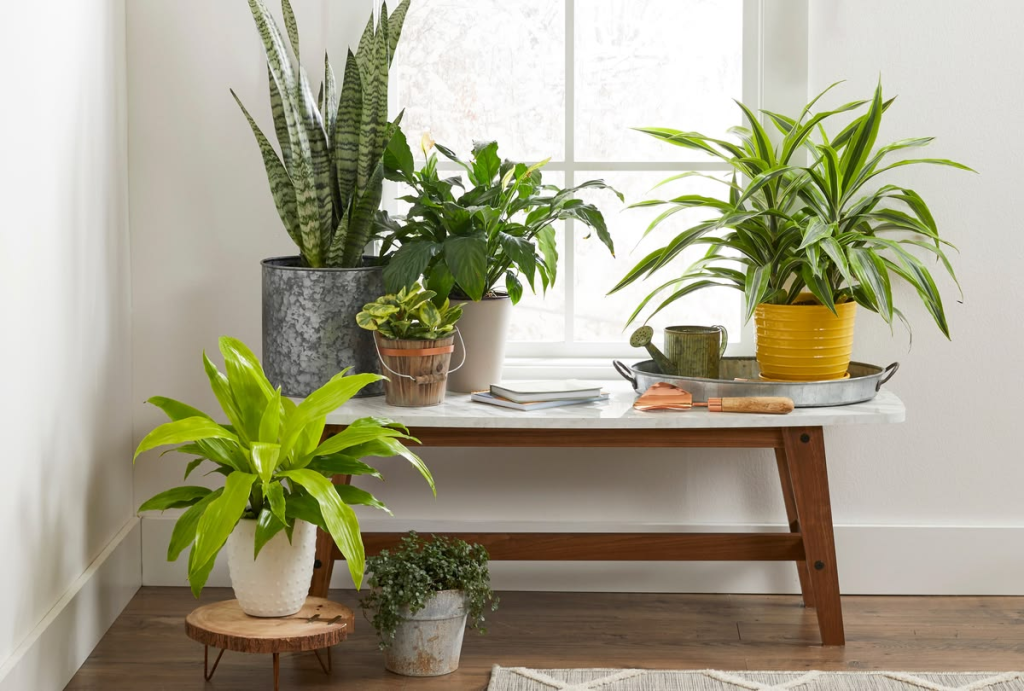
Indoor plants are a simple way to bring colour and natural beauty into your home. They can improve the atmosphere and make rooms feel fresher.
Place plants near windows, on shelves, beside furniture, or in empty corners. Choose low-maintenance plants if you do not have much experience with gardening.
Use attractive pots that match your interior design. Avoid adding too many plants in one small room. A few well-placed plants can create a balanced and refreshing appearance.
Artificial plants may also be used in dark areas where natural plants cannot receive enough sunlight.
Improve Your Home’s Entrance
The entrance creates the first impression of your house. A clean and attractive entrance can make the entire property feel more welcoming.
Paint or polish the front door and replace any damaged handles. Add a simple doormat, house number, outdoor light, or a few potted plants.
Keep the entrance free from shoes, boxes, and unnecessary items. A small shoe rack or storage bench can help maintain an organised appearance.
Check the pathway and repair any broken or uneven sections. Proper lighting around the entrance can also improve safety at night.
Upgrade the Outdoor Area
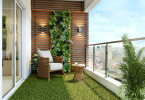
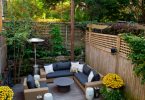
Outdoor areas such as balconies, patios, gardens, and rooftops can become useful living spaces with a few improvements.
Add comfortable outdoor chairs, a small table, plants, and weather-resistant lighting. Clean the flooring and repaint walls or railings where necessary.
For gardens, trim overgrown plants, remove weeds, and repair damaged fences. Create a simple seating area where family members can relax.
Even a small balcony can be improved with vertical planters, folding furniture, and decorative lights. Choose outdoor materials that can handle sunlight, rain, and changing weather conditions.
Focus on Energy Efficiency
Energy-efficient improvements can reduce household expenses and make your home more comfortable.
Replace old bulbs with LED lights and switch off appliances when they are not in use. Seal gaps around doors and windows to reduce unwanted heat or cold.
Use curtains or blinds to control indoor temperature. Energy-efficient appliances may cost more initially, but they can reduce electricity consumption over time.
Regularly clean air-conditioning filters, fans, and ventilation systems. Proper maintenance allows these systems to operate more effectively.
Repair Small Problems Early
Small household problems can become expensive if they are ignored. Check your home regularly for leaks, cracks, damaged wiring, loose tiles, and broken fixtures.
Repairing these issues early can prevent further damage. Water leaks, for example, may damage walls, floors, furniture, and electrical systems.
Some simple repairs can be completed at home, but electrical, gas, roofing, and major plumbing work should be handled by qualified professionals. Safety should always be the first priority during any home improvement project.
Set a Realistic Home Improvement Budget
Before starting a project, decide how much you can afford to spend. Make a list of important improvements and complete them according to priority.
Separate essential repairs from decorative upgrades. Fix leaks, electrical problems, damaged roofs, and structural issues before spending money on decoration.
Compare prices before purchasing materials, furniture, or appliances. Keep an extra amount in your budget for unexpected expenses.
Completing one area at a time can help you control costs and avoid leaving several unfinished projects around the house.
Conclusion
Home improvement is about making your living space more comfortable, organised, safe, and attractive. You do not need to complete every upgrade at once or spend a large amount of money.
Start with simple projects such as painting walls, improving lighting, reducing clutter, adding storage, and repairing damaged fixtures. After completing the essential work, you can focus on decorative improvements for the living room, kitchen, bedroom, bathroom, entrance, and outdoor areas.
The best Home Improvement Ideas are those that solve everyday problems while matching your budget and personal style. With careful planning and regular maintenance, you can create a home that looks beautiful and works better for everyone who lives there.