
Meta Title: Small Space Decorating Ideas for a Stylish Home
Meta Description: Discover practical small space decorating ideas to make compact rooms look bigger, brighter, organized, and more comfortable.
Introduction
Small Space Decoratinhttps://homegardene.com/category/home-decor/g is all about using limited space wisely without sacrificing comfort, beauty, or functionality. Whether you live in a small apartment, studio, compact house, or have a tiny bedroom, the right decorating choices can completely transform your space.
A small room does not have to feel crowded or uncomfortable. With smart furniture placement, suitable colors, practical storage, and simple decorative elements, you can create a home that feels open, stylish, and welcoming. The key is to focus on function, avoid unnecessary clutter, and choose items that serve more than one purpose.
Choose Light and Neutral Colors
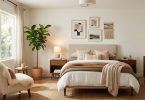
Light colors can make a small room feel brighter and more spacious. White, cream, beige, light grey, and soft pastel shades reflect natural light and create an open appearance.
You do not have to use only plain white walls. Soft blue, pale green, warm ivory, and light peach can also add personality without making the room feel smaller. Using similar shades on the walls, curtains, and furniture creates a smooth visual flow.
Darker colors can still be used as accents. Add them through cushions, artwork, rugs, or small decorative pieces instead of covering every wall with deep colors.
Use Multifunctional Furniture
Multifunctional furniture is one of the best solutions for decorating a small home. It allows you to use the same area for different purposes.
A sofa bed can serve as seating during the day and a sleeping area at night. An ottoman with hidden storage can be used as a seat, footrest, coffee table, and storage box. A dining table with drawers can provide extra space for keeping small household items.
Other useful options include:
- Beds with built-in drawers
- Foldable dining tables
- Wall-mounted desks
- Storage benches
- Nesting side tables
- Extendable furniture
Before buying any furniture, measure your available area carefully. Oversized furniture can make even a well-decorated room feel crowded.
Keep the Layout Open
Furniture placement plays an important role in small space decorating. Avoid blocking windows, doorways, and walking areas. A clear path through the room makes the space feel more comfortable and organized.
Place larger furniture against the walls when possible. However, do not push every item tightly into a corner. Leaving a little space around certain pieces can create a lighter and more balanced look.
In a studio apartment, furniture can also help divide different areas. A bookshelf, sofa, rug, or slim console table can separate the sleeping area from the living area without building a permanent wall.
Make Use of Vertical Space
When floor space is limited, use the walls. Vertical storage keeps items organized while leaving more room for movement.
Install floating shelves above desks, beds, sofas, or kitchen counters. Tall bookcases can provide more storage than wide cabinets. Hooks, pegboards, hanging baskets, and wall organizers can also be used for everyday items.
In the kitchen, use wall-mounted racks for utensils, pans, or spice containers. In the bathroom, add shelves above the toilet or hooks behind the door.
Using vertical space draws the eyes upward, which can also make the ceiling appear higher.
Add Mirrors to Create Depth
Mirrors are a popular decorating tool for small spaces because they reflect light and create the illusion of depth.
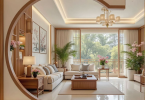
Place a large mirror opposite a window to reflect natural light across the room. A full-length mirror can make a narrow bedroom or hallway appear wider. Mirrored furniture, glass surfaces, and decorative mirror panels can also help create a brighter atmosphere.
Avoid placing too many small mirrors randomly. One large, well-positioned mirror usually creates a cleaner and more effective result.
Select the Right Lighting
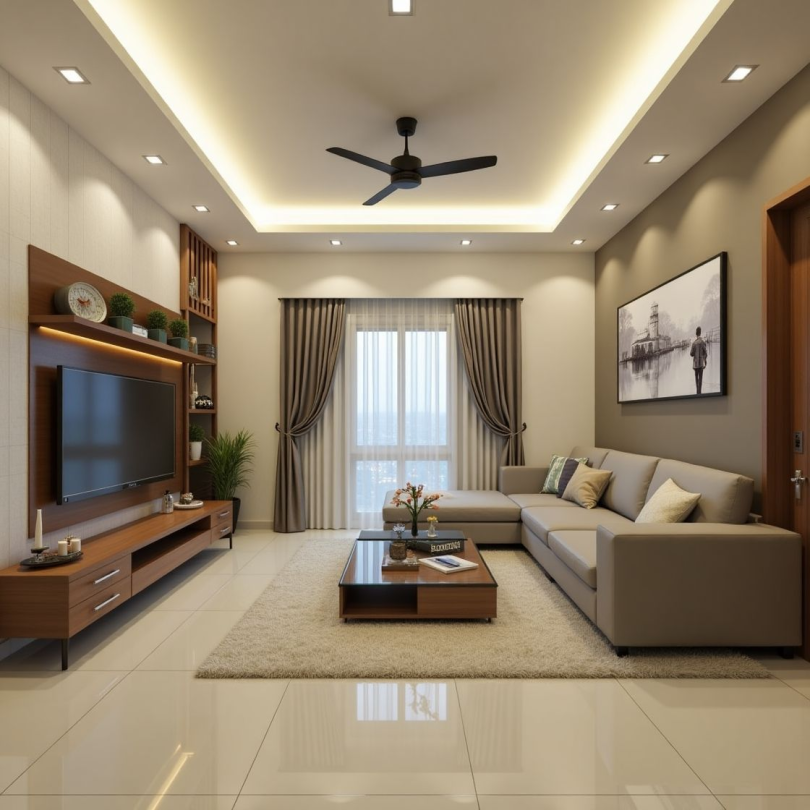
Good lighting can make a small room feel more open and comfortable. Relying on one ceiling light may leave dark corners that make the room appear smaller.
Use different types of lighting, including ceiling lights, wall lights, table lamps, and floor lamps. Wall-mounted lights are especially useful because they do not take up valuable floor or table space.
Allow natural light to enter by choosing lightweight curtains or blinds. Heavy curtains may block light and make a compact room feel darker.
Warm lighting creates a cozy atmosphere, while brighter lighting is useful for kitchens, study corners, and work areas.
Reduce Clutter
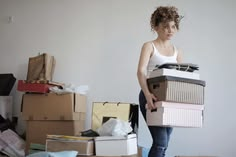
Clutter is one of the main reasons a small room feels crowded. Keep only the items you use, need, or truly enjoy.
Use baskets, boxes, drawers, and cabinets to keep small objects out of sight. Create a regular cleaning and organizing routine so unnecessary items do not build up over time.
Open shelves can look attractive, but they should not be overloaded. Leave some empty space between objects to maintain a clean and balanced appearance.
A simple decorating rule is to remove one unnecessary item whenever you add something new.
Choose Furniture with Visible Legs
Furniture with visible legs can make a room feel more open because more floor area remains visible. Sofas, chairs, cabinets, and tables raised slightly above the floor create a lighter look than heavy furniture that sits directly on the ground.
Glass or acrylic tables are also excellent for small rooms. They provide useful surfaces without visually blocking the area.
Slim furniture designs usually work better than bulky pieces. Choose clean lines and simple shapes that fit the size of the room.
Use Rugs to Define Different Areas
Rugs can help organize an open or multipurpose room. For example, a rug under the sofa can define the living area, while another small rug can identify a reading or dining corner.
Choose a rug that is appropriately sized. A very small rug may make the room look disconnected. In a living area, the front legs of the sofa and chairs should ideally sit on the rug.
Light-colored rugs can make a room feel brighter, while patterns can add personality. Avoid using too many different patterns in one compact area.
Decorate with Purpose
Decorative items should add beauty without creating clutter. Instead of displaying many small accessories, choose a few meaningful pieces.
A large artwork may look better than several tiny frames. Plants can add freshness and color, but select varieties that match your available light and space. Hanging plants, narrow plant stands, or wall-mounted planters are suitable for compact homes.
Cushions, throws, candles, books, and handmade decorations can make the room feel personal. Keep the overall color scheme consistent to create a calm and organized appearance.
Create Hidden Storage
Hidden storage helps maintain a neat look. Use the space under beds, sofas, stairs, and benches to store seasonal items, extra bedding, shoes, or household supplies.
Storage boxes should be labeled so items are easy to find. Vacuum storage bags can save space when keeping blankets, jackets, or clothing.
In the bedroom, use organizers inside wardrobes and drawers. In the living room, choose coffee tables with compartments or shelves.
The more effectively you hide everyday clutter, the larger and more peaceful your home will feel.
Avoid Overdecorating
A small space can quickly become overwhelming when it contains too many colors, patterns, furniture pieces, and decorative accessories.
Choose one main style and follow it throughout the room. You can use modern, minimalist, Scandinavian, rustic, or traditional elements, but avoid mixing too many unrelated designs.
Leave some walls and surfaces empty. Negative space is an important part of decorating because it gives the eyes a place to rest.
Conclusion
Small Space Decorating becomes easier when every item has a clear purpose. Light colors, multifunctional furniture, vertical storage, mirrors, good lighting, and thoughtful organization can make even the smallest home feel spacious and stylish.
You do not need a large budget or a complete renovation. Begin by removing clutter, rearranging furniture, and improving storage. Small changes can create a major difference in how your home looks and feels.
A successful small space should not only appear beautiful but also support your daily routine. By choosing practical solutions and keeping the design simple, you can create a comfortable, organized, and attractive home regardless of its size.