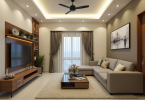
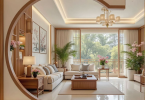
The living room is one of the most important areas of any home. It is where families spend time together, guests are welcomed, and everyday relaxation happens. A well-decorated living room should look attractive while remaining comfortable and functional. With the right furniture, colors, lighting, and accessories, you can create a space that reflects your personality without spending too much money.
Choose a Clear Decorating Style
Before buying furniture or decorative items, decide what type of look you want. Popular living room styles include modern, traditional, minimalist, rustic, Scandinavian, and contemporary.
Choosing one main style helps you avoid mixing too many unrelated colors, materials, and patterns. You do not need to follow a decorating theme perfectly. Use it as a guide when selecting furniture, curtains, rugs, wall art, and accessories.
For example, a modern living room may include clean lines, neutral colors, simple furniture, and metallic details. A rustic room may use wooden furniture, warm colors, woven materials, and natural decorations.
Select the Right Color Palette
Color has a major effect on the atmosphere of your living room. Light colors such as white, cream, beige, and light grey can make a small room appear larger and brighter. Darker shades such as navy blue, forest green, and charcoal can create a dramatic and luxurious appearance.
Choose two or three main colors and use them throughout the room. One color can be used for the walls, another for large furniture, and the third as an accent color.
You can introduce accent colors through cushions, rugs, artwork, curtains, plants, or decorative objects. Keeping a consistent color palette will make the space feel balanced and professionally designed.
Arrange Furniture for Comfort
Furniture placement is just as important as the furniture itself. Avoid pushing every item against the walls, especially in a large room. Instead, create a comfortable seating area where people can easily talk to one another.
Place the sofa facing a focal point such as a television, fireplace, large window, or statement wall. Add chairs or smaller seating options around it to complete the conversation area.
Make sure there is enough walking space between the furniture. The room should feel open and easy to move through rather than crowded. Measure your available space before buying a sofa, coffee table, or storage cabinet.
Add a Suitable Area Rug
An area rug can bring the entire living room together. It adds softness, warmth, color, and texture to the floor. Choose a rug that is large enough to connect the main furniture pieces.
Ideally, the front legs of the sofa and chairs should rest on the rug. A rug that is too small may make the room look unbalanced. Select a material that matches your lifestyle. Durable, easy-to-clean rugs are usually better for homes with children or pets.
Improve the Lighting
Good lighting can completely change the look and mood of a room. Do not depend only on one ceiling light. Use different types of lighting to create a warmer and more flexible space.
Ambient lighting provides general brightness, while task lighting helps with activities such as reading. Accent lighting can highlight artwork, shelves, or architectural details.
Consider adding floor lamps beside the sofa, table lamps on side tables, and wall lights near decorative features. During the daytime, keep curtains open to allow natural light into the room.
Decorate the Walls

Empty walls can make a living room feel unfinished. Add visual interest with framed artwork, photographs, mirrors, floating shelves, or wall decorations.
A large mirror is especially useful in a small room because it reflects light and creates the illusion of more space. You can also design a gallery wall using a collection of pictures in matching or coordinated frames.
Avoid covering every wall with decorations. Leaving some blank space helps the room feel cleaner and prevents the design from becoming overwhelming.
Use Cushions and Throws
Cushions and throws are affordable ways to update your living room. They introduce new colors, patterns, and textures without requiring major changes.
Mix different cushion sizes while keeping the color palette consistent. Combine plain fabrics with subtle patterns for a layered appearance. A soft throw placed over the sofa or chair can make the room look more comfortable and inviting.
You can also change these accessories according to the season. Use lighter fabrics during summer and thicker materials during colder months.
Bring Nature Indoors
Indoor plants add freshness, color, and natural beauty to a living room. Large plants can fill empty corners, while small plants can decorate tables, shelves, and window areas.
Choose plants according to the amount of natural light available in the room. Artificial plants can be a practical alternative when regular plant care is difficult.
Natural materials such as wood, rattan, cotton, linen, and stone can also create a calm and welcoming environment.
Add Smart Storage Solutions
Clutter can make even a beautifully decorated living room appear untidy. Use smart storage solutions to keep everyday items organized.
Consider storage ottomans, cabinets, baskets, shelves, or coffee tables with drawers. Decorative baskets are useful for storing blankets, magazines, toys, and remote controls.
Open shelves should be styled carefully. Display a small collection of books, plants, photographs, and decorative objects instead of filling every available space.
Personalize the Room
Your living room should reflect your personality and lifestyle. Add family photographs, travel souvenirs, favorite books, handmade items, or meaningful artwork.
However, avoid displaying too many small objects because they can make the room feel cluttered. Select a few meaningful pieces and give them enough space to stand out.
Conclusion
Creating a beautiful living room does not always require expensive furniture or major renovation. Start with a clear decorating style, choose a balanced color palette, arrange furniture carefully, and improve the lighting. Add warmth through rugs, cushions, plants, artwork, and personal decorations.
The best living room is one that combines style, comfort, and practical use. By making thoughtful choices and avoiding unnecessary clutter, you can create a welcoming space that you and your guests will enjoy.
Meta Title: Living Room Decor Tips for a Stylish Home
Meta Description: Discover practical living room decor tips for choosing colors, furniture, lighting, rugs, plants, storage, and accessories for a stylish space.