
Interior design styles shape how a home looks, feels, and functions every single day. This article covers the most popular interior design styles, their key features, pros and cons, and practical tips to help you choose the right one for your space. Whether you’re redecorating one room or planning a full home makeover, understanding these styles will make your decisions easier and your results more satisfying.
What Are Interior Design Styles?
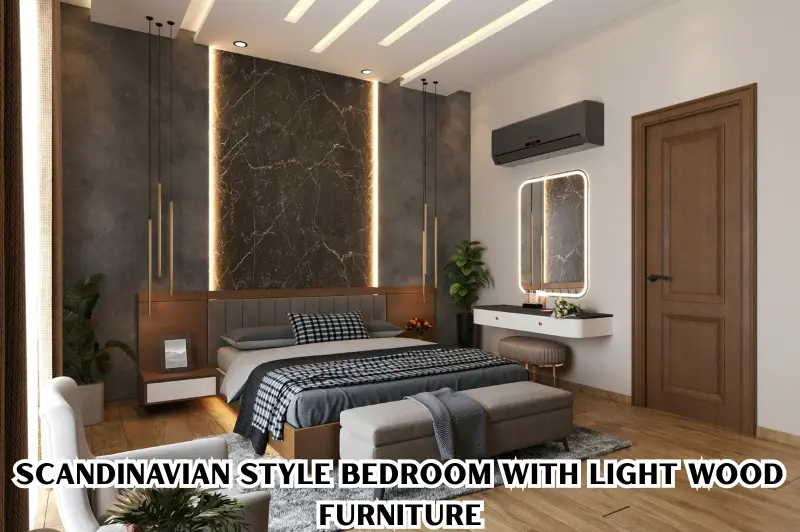
Interior design styles are recognizable approaches to decorating a space, built around specific colors, materials, furniture shapes, and layout principles. Each style reflects a particular philosophy about comfort, function, and beauty.
Knowing these styles helps you communicate clearly with designers, shop smarter, and create a home that feels intentional rather than random. Most homeowners don’t stick to just one style; they blend elements from two or three to reflect their personal taste.
Why Choosing the Right Interior Design Styles Matters
The right style does more than look good in photos. It affects your daily comfort, how well your furniture fits your lifestyle, and even your home’s resale value.
A mismatched style can make a room feel cluttered, cold, or impersonal. A well-chosen style, on the other hand, brings a natural flow to your space and makes everyday living easier.
Key Benefits of Defining Your Style Early
- Saves money by preventing impulsive, mismatched purchases
- Speeds up decision-making when choosing furniture and decor
- Creates visual consistency across rooms
- Makes it easier to work with contractors or designers
- Increases long-term satisfaction with your home
Popular Interior Design Styles Explained

Below are the most widely used interior design styles today, along with their defining characteristics.
1. Modern Interior Design Styles
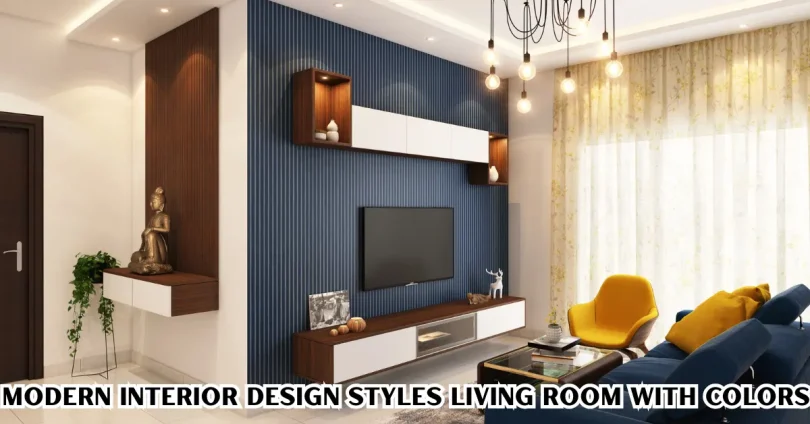
Modern design focuses on clean lines, minimal ornamentation, and a neutral color palette. It emerged in the early to mid-20th century and remains popular because of its timeless simplicity.
Key features:
- Neutral colors like white, gray, and black
- Materials such as steel, glass, and concrete
- Uncluttered surfaces and open layouts
- Function-first furniture design
Best for: People who prefer simplicity and dislike heavy decoration.
2. Contemporary Interior Design
Contemporary style is often confused with modern, but it actually reflects current design trends rather than a fixed historical period. It changes gradually over time.
Key features:
- Soft curves mixed with clean lines
- Neutral base tones with occasional bold accents
- Eco-friendly and sustainable materials
- Emphasis on natural light
Best for: Homeowners who want an updated, flexible look that evolves with trends.
3. Minimalist Interior Design
Minimalism is built on the idea that less is more. It strips away unnecessary items to focus only on what is functional and meaningful.
Key features:
- Very limited color palette, often monochrome
- Simple, uncluttered furniture
- Hidden storage to reduce visual noise
- Emphasis on space and light over objects
Common mistake: Many people confuse minimalism with an empty or cold space. True minimalism still prioritizes comfort and warmth through texture and lighting.
4. Scandinavian Interior Design
Scandinavian design originated in the Nordic countries and focuses on simplicity, functionality, and coziness, often referred to as “hygge.”
Key features:
- Light wood tones like pine and birch
- White and pastel color schemes
- Natural textiles such as wool and linen
- Functional furniture with soft, rounded edges
Best for: Small spaces that need to feel bright, open, and welcoming.
5. Industrial Interior Design
Industrial style takes inspiration from old factories and warehouses. It embraces raw, unfinished materials as part of the aesthetic.
Key features:
- Exposed brick, ductwork, and pipes
- Metal and reclaimed wood furniture
- Dark, moody color palette
- Open floor plans with high ceilings
Limitation: This style can feel cold or harsh without soft textiles and warm lighting to balance it.
6. Bohemian (Boho) Interior Design
Bohemian style is expressive, layered, and free-spirited. It draws from various cultures and eras, making it one of the most personalized styles available.
Key features:
- Rich, mixed patterns and textures
- Vintage and handmade furniture pieces
- Warm, earthy colors with vibrant accents
- Abundant plants and natural materials
Best for: Creative individuals who enjoy collecting unique items and mixing global influences.
7. Traditional Interior Design
Traditional design draws from 18th and 19th-century European decor. It emphasizes elegance, symmetry, and classic detailing.
Key features:
- Rich wood furniture with ornate details
- Symmetrical furniture arrangements
- Classic patterns like florals and damask
- Warm, deep color palettes
Best for: Homeowners who appreciate timeless elegance and formal spaces.
8. Mid-Century Modern Interior Design
This style reflects design trends from the 1940s to 1960s and remains one of the most popular styles today due to its blend of function and retro charm.
Key features:
- Tapered wooden legs on furniture
- Organic and geometric shapes
- Bold accent colors like mustard and teal
- Mixed materials such as wood, metal, and glass
9. Farmhouse Interior Design
Farmhouse style combines rustic charm with modern comfort. It has grown significantly in popularity due to its cozy, welcoming appeal.
Key features:
- Shiplap walls and wood beams
- Neutral colors with rustic wood accents
- Vintage-inspired furniture and decor
- Practical, family-friendly layouts
10. Transitional Interior Design
Transitional style blends traditional and contemporary elements, offering a balanced look that appeals to a wide range of tastes.
Key features:
- Neutral color schemes with subtle contrast
- Mix of classic and modern furniture shapes
- Comfortable, understated fabrics
- Balanced, uncluttered layouts
Best for: People who want elegance without excessive formality.
Comparison Table: Popular Interior Design Styles
| Style | Color Palette | Best For | Difficulty to Achieve |
| Modern | Neutral, monochrome | Simplicity lovers | Moderate |
| Scandinavian | Light, pastel | Small spaces | Easy |
| Industrial | Dark, raw tones | Loft-style homes | Moderate |
| Bohemian | Warm, vibrant | Creative personalities | Moderate |
| Traditional | Deep, rich tones | Formal homes | Difficult |
| Farmhouse | Neutral with wood accents | Family homes | Easy |
How to Choose the Right Interior Design Style for Your Home
Choosing a style depends on your lifestyle, budget, and the architecture of your home. Here’s a simple approach to narrow down your options.
- Identify your lifestyle needs. Consider whether you need a family-friendly space, a quiet retreat, or an entertaining area.
- Look at your home’s architecture. Older homes often suit traditional or farmhouse styles, while modern builds pair well with minimalist or contemporary looks.
- Set a realistic budget. Some styles, like traditional design, require investment in detailed furniture, while others, like Scandinavian, can be more budget-friendly.
- Create a mood board. Collect images that represent colors, textures, and furniture you’re drawn to.
- Start small. Test a style in one room before committing to your entire home.
Common Mistakes to Avoid
- Mixing too many styles without a unifying element like color or material
- Ignoring the room’s natural light when choosing a color palette
- Overcrowding a small space with oversized furniture
- Following trends blindly instead of choosing what suits your lifestyle
- Skipping functional needs in favor of pure aesthetics
If you’re drawn to clean, clutter-free spaces, you may also enjoy our detailed guide on small space interior design tips, which pairs perfectly with the modern aesthetic. For a deeper historical perspective on this style’s origins, you can also check Modernism on Wikipedia.
Scandinavian design works beautifully with the right color choices. Read our full breakdown of best color palettes for every interior design style to plan your palette confidently. To understand the cultural concept of “hygge” that inspires this style, see this overview on Hygge (Wikipedia).
Farmhouse style pairs well with budget-conscious decorating. If you’re working with limited funds, our guide on budget-friendly interior design ideas for beginners will help you achieve this look without overspending.
Once you’ve shortlisted a few favorites, the next step is matching them to your furniture. Check out our guide on how to choose furniture based on your interior design style for practical, room-by-room advice.
Poor lighting choices are one of the most overlooked design mistakes. The U.S. Environmental Protection Agency also notes that natural light and ventilation directly affect indoor comfort, making it an important factor when finalizing your room layout.
Frequently Asked Questions
1. What is the most popular interior design style right now?
Modern and Scandinavian styles remain highly popular due to their clean, functional appeal. Farmhouse style has also seen strong growth for its cozy, family-friendly aesthetic. The best choice ultimately depends on personal taste, home architecture, and lifestyle needs rather than trends alone.
2. Can I combine multiple interior design styles?
Yes, combining styles is common and often called “eclectic” design. The key is finding a unifying element, such as a consistent color palette or material, to keep the space cohesive rather than chaotic or mismatched.
3. Which interior design style works best for small apartments?
Scandinavian and minimalist styles work well for small apartments because they emphasize light colors, open space, and functional furniture. These styles reduce visual clutter, making rooms feel larger and more organized.
4. Do interior design styles affect home resale value?
Neutral, widely appealing styles like transitional or contemporary design can positively influence resale value. Highly personalized styles, such as bold bohemian decor, may require staging changes before selling to appeal to a broader range of buyers.
5. How do I start defining my personal interior design style?
Begin by collecting images of spaces you love, noting recurring colors, textures, and furniture shapes. Visit model homes or browse design platforms to identify patterns, then test your preferences in one room before expanding further.
Conclusion
Interior design styles give structure and personality to your home, from the clean simplicity of modern design to the warm layers of bohemian decor. Understanding each style’s key features, strengths, and limitations helps you make confident, informed choices rather than random purchases.
Start by identifying your lifestyle needs and testing your preferred style in a single room. From there, you can expand gradually, creating a home that feels both beautiful and truly yours.