
Interior design tips can make the difference between a house that simply holds furniture and a home that feels warm, functional, and genuinely yours. This article covers practical, room-by-room interior design tips, common mistakes to avoid, budget-friendly ideas, and answers to the questions homeowners ask most when planning a space. Whether you’re redecorating one room or starting from scratch, these insights will help you design with confidence.
What Makes Good Interior Design Tips?
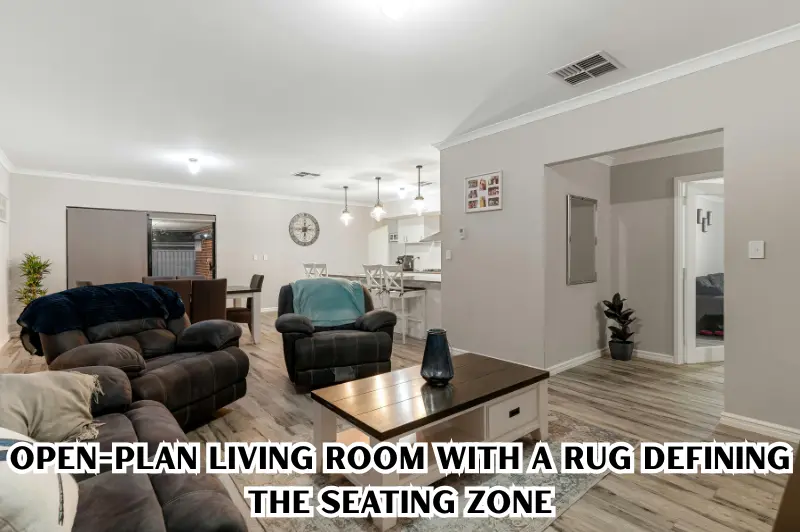
Good interior design balances beauty with function. A well-designed room should look appealing, but it also needs to support how you actually live in it.
The best interiors follow a few core principles:
- Proportion and scale — furniture and decor should fit the size of the room, not overwhelm or shrink it.
- Balance — visual weight (color, texture, size) should be distributed evenly across a space.
- Flow — people should be able to move through a room without obstruction.
- Personality — the space should reflect the people who live in it, not just a trend.
Designers often say that good design is felt before it’s noticed. If a room feels calm, easy to move through, and comfortable to sit in, the design is working.
Why Interior Design Matters Beyond Aesthetics
Interior design isn’t only about appearances. It directly affects mood, productivity, and even how long you want to spend in a space.
Cluttered, poorly lit, or badly arranged rooms can increase stress and make everyday tasks harder. On the other hand, a thoughtfully designed home can:
- Improve focus and reduce mental fatigue
- Make small spaces feel larger and more usable
- Increase the resale value of a property
- Create a sense of comfort and pride in your living environment
This is why interior design tips are useful for everyone, not just people with large budgets or big homes.
Essential Interior Design Tips for Every Room
1. Start With a Layout, Not Furniture
Before buying anything, plan the layout first. Decide where the main activity zones will be — seating, workspace, storage — and measure the room carefully.
A simple way to test a layout is to tape the outline of major furniture pieces on the floor. This helps you see how much walking space remains and whether the room feels cramped before you commit to buying.
2. Choose a Color Palette Early
Color sets the tone for an entire room. Pick a palette of two to three main colors, then use a mix of shades within that palette for walls, furniture, and accessories.
A common and reliable approach is the 60-30-10 rule:
- 60% dominant color (walls, large furniture)
- 30% secondary color (curtains, rugs, accent chairs)
- 10% accent color (cushions, art, small decor)
This ratio keeps a room visually balanced instead of chaotic.
3. Prioritize Natural and Layered Lighting
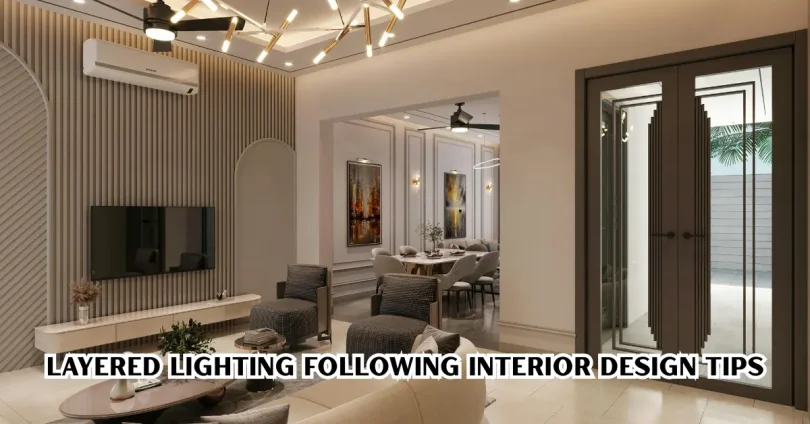
Lighting changes how a room feels more than almost any other element. Relying on a single overhead light often makes spaces feel flat and uninviting.
Instead, layer three types of lighting:
- Ambient lighting — general room lighting (ceiling fixtures, overhead lights)
- Task lighting — focused light for specific activities (desk lamps, reading lights)
- Accent lighting — decorative lighting that highlights art, shelves, or architectural features
Where possible, keep windows uncovered during the day and use sheer curtains to maximize natural light.
4. Use Rugs to Define Zones
In open-plan homes, rugs are one of the simplest interior design tips for creating visual separation between areas like a living zone and a dining zone.
As a general rule, a rug should be large enough that at least the front legs of major furniture pieces sit on it. A rug that’s too small can make a seating area look disconnected and unfinished.
5. Mix Textures, Not Just Colors
Texture adds depth to a room even when the color palette is simple. Combining materials like wood, linen, wool, metal, and glass keeps a space interesting without adding visual clutter.
For example, a neutral living room can feel far more dynamic with a wool throw, a woven basket, a glass coffee table, and a linen sofa — all without introducing a single new color.
6. Don’t Ignore Scale When Buying Furniture
One of the most common interior design mistakes is buying furniture that doesn’t match the size of the room. An oversized sofa can make a small living room feel cramped, while undersized furniture can make a large room feel empty.
Before purchasing, measure both the room and any doorways or hallways the furniture needs to pass through.
7. Add Greenery for a Natural Touch
Plants are an affordable way to bring life, color, and texture into a home. They also soften hard lines in rooms with a lot of furniture or straight architectural features.
If natural light is limited, choose low-maintenance, low-light plants rather than forcing a plant that needs bright sun into a dim corner.
Room-by-Room Interior Design Tips
Living Room
Arrange seating to face each other rather than all facing a television, especially if the room is used for conversation as much as watching TV. Keep a clear walking path of at least 30 inches between furniture pieces.
Bedroom
Position the bed as the focal point, ideally facing the door but not directly in line with it. Choose calming, muted colors for walls, since bright, high-energy colors can interfere with rest.
Kitchen
Function comes first in kitchens. Keep the “work triangle” between the sink, stove, and refrigerator efficient, and use vertical storage to free up counter space in smaller kitchens.
Home Office
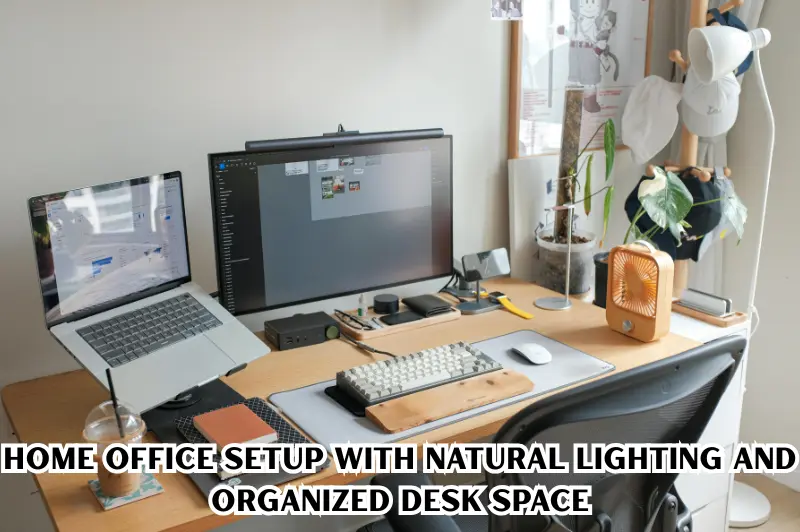
Position the desk near a window for natural light, but avoid facing a screen directly toward the window to reduce glare. Keep cables organized and storage within arm’s reach to maintain focus.
Bathroom
Use moisture-resistant materials and good ventilation as a priority. Small bathrooms benefit from light colors, mirrors, and wall-mounted storage to create a sense of extra space.
Budget-Friendly Interior Design Tips
Good design doesn’t require a large budget. Some of the most effective updates are also the most affordable:
- Repaint one accent wall instead of an entire room for a fresh look at a lower cost.
- Rearrange existing furniture before buying new pieces — a new layout can transform a room for free.
- Update hardware like cabinet handles, light switches, and doorknobs for an inexpensive refresh.
- Add mirrors to bounce light around a room and create the illusion of more space.
- Swap textiles such as cushions, curtains, and throws to change the mood of a room seasonally.
Common Interior Design Tips Mistakes to Avoid
Even well-intentioned decorating efforts can go wrong. Here are mistakes that consistently undermine good design:
- Pushing all furniture against the walls, which often makes a room feel disconnected instead of cozy.
- Choosing decor before function, leading to beautiful rooms that are uncomfortable to actually use.
- Overlooking lighting temperature, mixing warm and cool bulbs in the same room, which creates a mismatched look.
- Ignoring scale, resulting in furniture that’s too large or too small for the space.
- Ignoring flow, leaving too little room to walk comfortably between furniture pieces.
Avoiding these mistakes is often more impactful than adding new decor.
DIY vs. Hiring an Interior Design Tips
Deciding between DIY design and professional help depends on your budget, timeline, and the complexity of the project.
| Factor | DIY Interior Design | Hiring a Designer |
| Cost | Lower upfront cost | Higher upfront cost, but can prevent costly mistakes |
| Time | Requires personal time and research | Saves time through professional planning |
| Expertise | Learned through trial and research | Backed by training and experience |
| Best for | Small updates, single rooms, personal projects | Full renovations, structural changes, complex layouts |
| Flexibility | Full creative control | Guided choices with professional input |
For small refreshes like a bedroom or living room update, DIY is often enough. For structural changes, full-home renovations, or when you’re unsure where to start, a professional designer can save both time and money in the long run.
Sustainable and Practical Design Choices
Sustainability is becoming a bigger part of interior design decisions. Choosing durable, well-made furniture over disposable pieces reduces long-term waste and often looks better over time.
Simple sustainable choices include:
- Selecting natural materials like wood, cotton, and wool over synthetic alternatives
- Buying secondhand or refurbished furniture for character and lower environmental impact
- Choosing energy-efficient lighting such as LED bulbs
- Investing in timeless pieces instead of trend-driven items that need frequent replacing
These choices benefit both the environment and your long-term budget.
If you’re just starting out, it helps to first read our guide on small space design ideas before choosing furniture for a compact room. For lighting choices, the U.S. Department of Energy’s LED lighting guide is a reliable resource for comparing energy efficiency and bulb types.
Frequently Asked Questions
What are the basic principles of Interior Design Tips ?
The basic principles include balance, proportion, harmony, rhythm, and emphasis. Balance distributes visual weight evenly, proportion ensures furniture fits the space, and emphasis creates a focal point. Together, these principles guide decisions on color, layout, and furniture placement to create a cohesive, comfortable room.
How can I make a small room look bigger?
Use light colors on walls, add mirrors to reflect light, and choose furniture with visible legs to create a sense of openness. Avoid oversized furniture and heavy curtains, which can make a small room feel more cramped. Vertical storage also helps free up valuable floor space.
What is the 60-30-10 rule in Interior Design Tips?
The 60-30-10 rule is a color-balancing guideline where 60% of a room uses a dominant color, 30% uses a secondary color, and 10% is reserved for an accent color. This ratio keeps color schemes visually balanced and prevents a room from feeling overwhelming or mismatched.
Do I need to hire a professional for Interior Design Tips?
Not always. Small updates like repainting, rearranging furniture, or swapping decor can be done without professional help. However, structural changes, full renovations, or complex layouts often benefit from a designer’s expertise to avoid costly mistakes and save time.
How much does interior design typically cost?
Costs vary widely based on room size, materials, and whether you hire a professional. DIY updates can cost very little, using existing furniture and budget decor. Hiring a designer adds professional fees but can prevent expensive errors, especially for larger or structural projects.
Conclusion
Great interior design comes down to a few consistent habits: planning the layout before buying furniture, choosing a balanced color palette, layering lighting properly, and respecting the scale of each room. Small, budget-friendly changes — like rearranging furniture, updating hardware, or adding plants — can be just as impactful as a full renovation when done thoughtfully.
The next practical step is simple: pick one room, apply two or three of these interior design tips, and see how the space feels before moving on to the next. Small, intentional changes add up to a home that looks better and works better for the way you actually live.