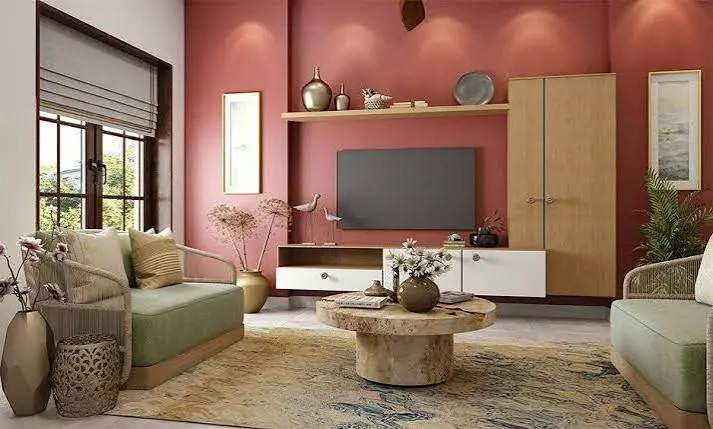

Introduction
Traditional home decor brings timeless elegance, warmth, and character into a living space through classic furniture, balanced layouts, rich textures, and familiar decorative details. Unlike fast-changing trends, traditional decorating focuses on creating a comfortable home that feels established, welcoming, and visually cohesive.
For homeowners in the USA, traditional home decor can work beautifully in everything from historic houses and suburban homes to modern properties. You do not need antique furniture or a large budget to achieve the look. With thoughtful choices in color, furniture, lighting, fabrics, artwork, and accessories, you can create a traditional interior that feels classic without looking outdated.
This guide explains what traditional home decor means, its key characteristics, practical decorating ideas, benefits and limitations, common mistakes, and simple steps for creating a timeless traditional home.
What Is Traditional Home Decor?
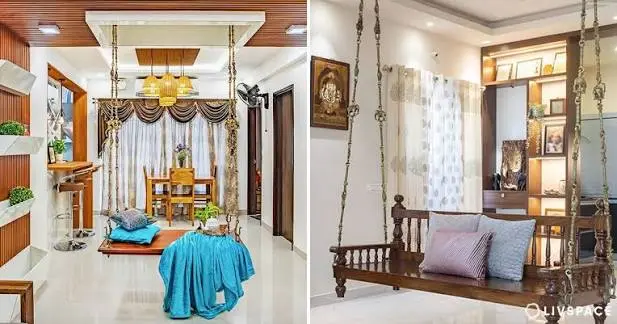
Traditional home decor is an interior design style inspired by classic European and American interiors, especially designs that emphasize symmetry, craftsmanship, comfortable furniture, and timeless decorative elements.
The style generally uses a balanced combination of:
- Classic furniture silhouettes
- Warm or neutral colors
- Wood finishes
- Patterned fabrics
- Elegant lighting
- Decorative molding and architectural details
- Framed artwork
- Rugs and layered textiles
- Symmetrical furniture arrangements
- Traditional accessories
Traditional does not necessarily mean old-fashioned. A modern home can incorporate traditional elements while maintaining a fresh and practical appearance.
What Are the Main Characteristics of Traditional Home Decor?
The main characteristics of traditional home decor are symmetry, comfortable furnishings, classic materials, layered textures, and refined decorative details.
1. Balanced and Symmetrical Layouts
Symmetry is one of the easiest ways to create a traditional appearance. Matching lamps, chairs, tables, artwork, or accessories can create visual balance.
For example, place two matching table lamps on a console or position two armchairs opposite a sofa. The result feels organized and intentional.
2. Classic Furniture
Traditional interiors often feature furniture with recognizable, timeless shapes rather than extremely minimalist or futuristic designs.
Popular choices include:
- Upholstered sofas
- Wingback chairs
- Wooden dining tables
- Tufted ottomans
- Classic coffee tables
- Dressers and sideboards
- Four-poster or upholstered beds
Choose pieces based on comfort and quality rather than simply trying to make a room look old.
3. Warm, Sophisticated Colors
Traditional rooms commonly use colors that feel comfortable and easy to live with.
Consider:
- Cream
- Beige
- Warm white
- Taupe
- Soft gray
- Navy
- Deep green
- Burgundy
- Muted blue
- Warm brown
A neutral wall color can provide a flexible foundation, while darker colors can be introduced through furniture, curtains, rugs, and accessories.
4. Natural Wood and Classic Materials
Wood is an important element in many traditional interiors. Walnut, oak, cherry, mahogany-inspired finishes, and painted wood furniture can all contribute to the style.
Other useful materials include:
- Cotton
- Linen
- Wool
- Leather
- Brass
- Ceramic
- Glass
Combining different textures prevents the room from feeling flat.
How to Create Traditional Home Decor in Your Living Room
A traditional living room should feel comfortable, balanced, and inviting rather than overly formal.
Start with a comfortable sofa in a neutral or classic fabric. Add one or two accent chairs, a substantial coffee table, and a large area rug to define the seating arrangement.
Choose a Classic Sofa
A sofa with clean but traditional lines can become the foundation of the room. Neutral upholstery makes it easier to change accent colors over time.
For a more formal appearance, consider details such as:
- Rolled arms
- Tufting
- Nailhead trim
- Skirted upholstery
- Structured cushions
Avoid filling the room with too many large pieces. Traditional design benefits from balance and breathing room.
Add an Area Rug
An area rug can visually connect the seating arrangement and introduce pattern without overwhelming the space.
Persian-inspired, floral, geometric, or subtly distressed patterns can complement traditional furniture. For an updated appearance, choose a rug with muted colors rather than an extremely ornate design.
Use Layered Lighting
Lighting should come from multiple sources instead of relying entirely on one ceiling fixture.
Consider:
- Table lamps
- Floor lamps
- Wall sconces
- Chandeliers
- Decorative ceiling fixtures
Warm, comfortable lighting helps traditional interiors feel inviting, particularly in living and dining areas.
Traditional Home Decor Ideas for the Bedroom
A traditional bedroom should feel peaceful, comfortable, and slightly sophisticated.
Begin with a strong focal point such as an upholstered headboard, wooden bed frame, or classic four-poster bed. Then build the room around coordinated bedding, bedside tables, lighting, and textiles.
Layer Bedding and Textiles
Traditional bedrooms often look best when several complementary textures are combined.
Try layering:
- Cotton sheets
- A quilt or coverlet
- A duvet
- Decorative pillows
- A folded throw blanket
Choose related colors instead of making every piece identical. Small variations create a more natural and collected appearance.
Add Matching Nightstands and Lamps
Two similar nightstands positioned on either side of the bed reinforce symmetry. Matching lamps can provide another layer of visual balance.
If you prefer a less formal appearance, the nightstands can be similar without being exactly identical.
Traditional Dining Room Decor Ideas
The dining room is an excellent place to use traditional design because classic furniture and elegant lighting naturally suit the space.
A wooden dining table can serve as the centerpiece. Pair it with upholstered or wooden chairs, then add a rug, artwork, curtains, and a decorative light fixture.
Make the Dining Table the Focal Point
Choose a table that suits the size of the room. A table that is too large can make movement difficult, while a table that is too small may look disconnected from the space.
A sideboard or china cabinet can provide additional storage while reinforcing the traditional aesthetic.
For everyday use, keep table decoration simple. A bowl, vase, or seasonal arrangement can provide enough visual interest without making the table difficult to use.
How to Mix Traditional and Modern Decor
Traditional home decor does not have to mean creating a completely period-inspired interior. Mixing traditional and modern elements can make a home feel more current and personal.
A useful approach is to combine classic furniture with contemporary accessories.
For example:
- Traditional sofa + modern floor lamp
- Antique-style table + contemporary artwork
- Classic dining table + simple upholstered chairs
- Traditional rug + streamlined coffee table
- Classic wood furniture + modern neutral walls
The key is consistency. Select a limited color palette and repeat a few materials or finishes throughout the room.
Benefits of Traditional Home Decor
Traditional home decor offers several practical advantages.
Timeless Appearance
Classic furniture shapes and neutral foundations can remain attractive even as interior design trends change.
Comfortable Atmosphere
Traditional rooms often prioritize comfortable seating, layered textiles, and warm lighting, making them suitable for everyday family life.
Easy to Personalize
Family photographs, books, artwork, heirlooms, ceramics, and collected accessories can fit naturally into traditional spaces.
Works Across Different Homes
The style can be adapted to apartments, ranch houses, suburban homes, historic properties, and larger family houses.
Supports Layered Design
Traditional decorating gives you room to combine furniture, patterns, textures, artwork, and accessories without requiring everything to look perfectly minimal.
Limitations of Traditional Home Decor
Traditional design also has a few potential drawbacks.
A heavily traditional room can feel visually busy if too many patterns, dark finishes, or decorative accessories are used. Large furniture can also make a small room feel crowded.
The solution is moderation.
Use traditional elements as a foundation, then leave enough open space to maintain comfort and movement. Light wall colors, streamlined accessories, and contemporary lighting can also prevent the room from feeling dated.
Step-by-Step Guide to Creating a Traditional Home
If you are starting from scratch, follow these practical steps.
Step 1: Select a Color Palette
Choose two or three primary colors and a few complementary accents. Warm neutrals are an easy starting point.
Step 2: Choose the Largest Furniture First
Begin with the sofa, bed, dining table, or other major pieces. These items establish the room’s visual direction.
Step 3: Add Wood and Natural Materials
Introduce wooden furniture, woven baskets, wool rugs, linen curtains, or leather accents to bring depth and texture.
Step 4: Build Symmetry
Look for opportunities to balance the room with matching or visually similar lamps, chairs, artwork, and tables.
Step 5: Layer Textiles
Add rugs, curtains, cushions, throws, and upholstered furniture. Mix textures while keeping colors coordinated.
Step 6: Add Artwork and Accessories
Use framed paintings, mirrors, family photographs, books, ceramics, and decorative objects to give the room personality.
Step 7: Edit the Room
Step back and remove anything that feels unnecessary. Traditional design should look collected and intentional, not cluttered.
Common Traditional Home Decor Mistakes to Avoid
Using Too Many Matching Pieces
Perfectly matching furniture sets can make a room feel predictable. Mix complementary pieces instead.
Choosing Too Many Dark Colors
Dark wood and rich colors can look beautiful, but using them everywhere may make a room feel heavy. Balance them with lighter walls, upholstery, or curtains.
Overloading the Room With Accessories
Decorative objects are useful, but too many can create visual clutter. Display fewer items and give important pieces room to stand out.
Ignoring Scale
A beautiful traditional chair will still look wrong if it is too large for the room. Always consider furniture dimensions before purchasing.
Making Everything Look Old
Traditional design is about timeless character, not turning your home into a museum. Combine classic pieces with practical modern elements when appropriate.
Traditional vs. Modern Traditional Decor
| Feature | Traditional Decor | Modern Traditional Decor |
|---|---|---|
| Furniture | Classic and detailed | Classic with simpler lines |
| Colors | Warm, rich, neutral | Mostly neutral with selective accents |
| Accessories | Layered and decorative | More edited and minimal |
| Lighting | Chandeliers, lamps, sconces | Traditional fixtures with modern shapes |
| Materials | Wood, fabric, brass, leather | Mix of classic and contemporary materials |
| Overall feel | Formal and timeless | Relaxed, fresh, and timeless |
Modern traditional decor is particularly useful for homeowners who appreciate classic design but want their homes to feel lighter and less formal.
How to Make Traditional Decor Feel Fresh
You can refresh a traditional interior without replacing everything.
Try these simple changes:
- Paint the walls a lighter neutral color.
- Replace heavy curtains with lighter fabrics.
- Add contemporary artwork.
- Introduce a simple modern light fixture.
- Use fewer decorative accessories.
- Mix old and new furniture.
- Add indoor plants for natural texture.
- Replace dated hardware with classic brass or understated finishes.
- Use a modern area rug with traditional furniture.
Small updates can significantly change the overall atmosphere.
Home GardenExample WebsiteCreating a beautiful and healthy garden starts with choosing the right plants and understanding proper garden care. You can also explore Home Garden for more useful gardening ideas and information.
Frequently Asked Questions
What is traditional home decor?
Traditional home decor is a timeless interior style that emphasizes classic furniture, balanced layouts, warm colors, natural materials, elegant lighting, and decorative details. It often includes wood furniture, patterned textiles, framed artwork, rugs, and symmetrical arrangements. The style can be formal or relaxed depending on the furniture, colors, and accessories selected.
Is traditional home decor outdated?
Traditional home decor is not necessarily outdated. While some heavily ornate traditional interiors may feel dated, the core principles of symmetry, craftsmanship, comfortable furniture, and timeless materials remain useful. Combining traditional pieces with modern lighting, lighter colors, contemporary artwork, or simpler accessories can create a fresh and current appearance.
What colors work best with traditional home decor?
Traditional interiors commonly work well with warm neutrals such as cream, beige, taupe, warm white, and soft gray. Rich accent colors such as navy, forest green, burgundy, and muted blue can add depth. The best palette depends on the home’s natural light, room size, flooring, furniture, and personal preference.
Can traditional home decor work in a small house?
Yes. Traditional home decor can work well in a small house when furniture is appropriately scaled and accessories are carefully edited. Choose lighter wall colors, multifunctional furniture, smaller-scale patterns, and furniture with visible legs to maintain an open feeling. Avoid overcrowding the room with large furniture or excessive decorative objects.
How can I make traditional decor look modern?
The easiest way is to combine classic furniture with cleaner, contemporary elements. Use a neutral color palette, reduce unnecessary accessories, introduce modern artwork or lighting, and mix traditional wood furniture with simpler silhouettes. The goal is to preserve the warmth and character of traditional design while creating a lighter and more relaxed overall appearance.
Conclusion
Traditional home decor offers a practical way to create a home that feels warm, comfortable, elegant, and timeless. Its strongest features include balanced layouts, classic furniture, natural materials, layered textiles, warm colors, and thoughtful decorative details.
You do not need to completely redesign your home to achieve the look. Start with one room, choose a simple color palette, invest in appropriately scaled furniture, and gradually add rugs, lighting, artwork, and accessories.
For the best results, focus less on copying a specific traditional room and more on creating a space that feels comfortable and personal. Mix classic and contemporary elements when useful, avoid unnecessary clutter, and choose pieces you will enjoy living with for years.
Practical next step: Choose one room in your home and identify three areas to improve—such as furniture, lighting, or textiles. Make small, coordinated changes rather than replacing everything at once.