
Meta Title: Vegetable Gardening Tips for Beginners
Meta Description: Discover practical vegetable gardening tips to grow healthy plants, improve soil, control pests, and enjoy fresh vegetables at home.
Vegetable gardening tips can help beginners grow fresh, healthy, and delicious vegetables at home. Starting a vegetable garden may seem difficult, but proper planning, good soil, regular watering, and basic plant care can make the process simple and enjoyable. You do not need a large backyard to begin. Many vegetables can grow successfully in small gardens, raised beds, balconies, or containers.
Choose the Right Gardening Location
The first step is choosing a suitable place for your vegetable garden. Most vegetables require at least six to eight hours of direct sunlight every day. Select an area that receives enough sunlight and is protected from strong winds.
The location should also have easy access to water. Avoid places where rainwater remains for a long time because waterlogged soil can damage plant roots. A flat or slightly raised area is usually better for vegetable gardening.
Start With Easy-to-Grow Vegetables
Beginners should start with vegetables that require less maintenance. Easy vegetables help new gardeners understand plant care without becoming overwhelmed.
Some beginner-friendly vegetables include:
- Tomatoes
- Radishes
- Carrots
- Spinach
- Lettuce
- Green beans
- Cucumbers
- Peppers
Choose vegetables that are suitable for your local weather and growing season. Cool-season vegetables, such as spinach and lettuce, grow better in mild temperatures. Tomatoes, cucumbers, and peppers usually prefer warmer conditions.
Improve the Soil Before Planting
Healthy soil is one of the most important parts of vegetable gardening. Good soil provides nutrients, water, and support to plant roots. Before planting, remove stones, weeds, and unwanted materials from the gardening area.
Mix organic compost, aged manure, or leaf mould into the soil. Compost improves soil structure and provides essential nutrients. The soil should be loose, fertile, and well-draining.
Heavy clay soil can be improved by adding compost and organic matter. Sandy soil also benefits from compost because it helps retain water and nutrients.
Plan Proper Plant Spacing
Avoid planting vegetables too close together. Overcrowded plants compete for sunlight, water, and nutrients. Poor spacing can also reduce air circulation and increase the risk of fungal diseases.
Read the instructions on seed packets or plant labels to understand the recommended spacing. Leave enough room for each plant to grow fully. Larger vegetables, such as tomatoes and cucumbers, need more space than radishes or leafy greens.
You can also use vertical gardening methods for climbing plants. Trellises, stakes, and cages help save space while supporting vegetables such as beans, peas, cucumbers, and tomatoes.
Water Your Vegetables Correctly
Vegetable plants need regular watering, especially during hot and dry weather. Water the soil deeply instead of giving plants a small amount of water every few hours. Deep watering encourages roots to grow further into the soil.
Early morning is usually the best time to water a vegetable garden. It allows plants to absorb moisture before the temperature becomes too hot. Avoid watering leaves frequently because wet leaves may encourage plant diseases.
Check the soil before watering. Insert your finger about two to three centimetres into the soil. When the soil feels dry, it is usually time to water.
Use Mulch Around the Plants
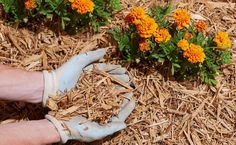
Mulching is a simple way to protect vegetable plants. Spread a layer of straw, dry leaves, grass clippings, or compost around the plants.
Mulch offers several benefits:
- Reduces weed growth
- Keeps the soil moist
- Protects roots from extreme temperatures
- Improves soil quality
- Prevents soil from splashing onto leaves
Do not place mulch directly against plant stems because too much moisture around the stem may cause rotting.
Control Weeds Regularly
Weeds compete with vegetables for water, sunlight, and nutrients. Remove weeds when they are small because mature weeds are more difficult to control.
You can pull weeds by hand or use a small gardening tool. Be careful not to damage the vegetable roots. Mulching can also reduce the number of weeds growing in your garden.
Avoid using strong chemical weed killers near edible plants unless the product is specifically approved for vegetable gardens.
Protect Plants From Pests
Check your vegetable plants regularly for signs of pests. Common garden pests include aphids, caterpillars, slugs, snails, and beetles. Early detection makes pest control easier.
Remove visible pests by hand when possible. You can also use insect netting, natural sprays, or companion planting. For example, marigolds are commonly planted near vegetables because they may help discourage certain pests.
Encourage beneficial insects, such as ladybirds and bees, by growing flowers around the garden. Beneficial insects support pollination and may help control harmful pests naturally.
Feed Plants When Necessary
Compost-rich soil may provide enough nutrients during the early growing period. However, vegetables that produce fruit, such as tomatoes and peppers, may require additional feeding.
Use a balanced organic fertiliser and follow the instructions carefully. Applying too much fertiliser can burn plant roots or produce excessive leaves with fewer vegetables.
Harvest Vegetables at the Right Time
Harvesting vegetables regularly encourages many plants to continue producing. Pick leafy vegetables when the leaves are fresh and tender. Cucumbers, beans, and courgettes should be harvested before they become oversized.
Tomatoes can be picked when they develop their full colour and feel slightly soft. Use clean scissors or gardening shears when necessary to avoid damaging the plant.
Conclusion
Successful vegetable gardening requires patience, observation, and regular care. Select a sunny location, improve the soil, grow suitable vegetables, water correctly, and control weeds and pests. Start with a small garden and expand it as your experience improves. By following these vegetable gardening tips, you can create a productive home garden and enjoy fresh vegetables throughout the growing season.